Posted by: Suzan | April 28, 2011

Releasing Your Attraction to Distraction

STAY FOCUSED Be aware of the distractions which may steer you off-course. Have a plan to distract your distractions and work it every day. Eliminate things from your life to create more space for your intentions to manifest, for example, consider giving up some television programs. Hours spent watching television could be spent on creating what you want.

Many years ago I “unplugged” the television when I realized it was not my “life support system.” I found it to be more of a drain on my energy, time, and even my relationships. It still has a purpose – for movie rentals and an occasional must see show like, “So You Think You Can Dance.” With many hours freed up I now have time to connect with my husband; to read my subscription magazines along with an occasional book; and most of all, I can do whatever I choose in my newly found “spare time.”

Giving up my attraction to this utter distraction brought me immense satisfaction! I am still making peace with my other “attraction” to checking e-mails and on occasion spending too much time on social media sites. I am curious if a 12 step program for technology addicts exists. As an entrepreneur, I find working alone can breed loneliness. With no one to chat with over a coffee break or to brainstorm a sudden idea flash with, I turn to e-mail and social media sites. I sometimes respond right away to anyone in my in-box and reach out to connect with many business and personal friends. I recently took two weeks to track how I utilize my time and now better understand what the culprit is. Technology! Well, the finger still points back at me since I pound every key.

After reading the book, “The 4-Hour Workweek” by Timothy Ferriss, I incorporated his suggestion to check business e-mails only three times per day although I have selected alternate times. He suggests 8:00 am, 12:00 pm and 4:00 pm, and I have found 10:00 am, 2:00 pm and 6:00 pm to be more effective. Jan Zaragoza, a Trainer in Time Management, suggested these alternate times.  I have set a boundary of 30 minutes per day with social media and am limiting my personal e-mail checking to once each evening. I now feel more on purpose and a lot more productive. As for the loneliness–I pick up the phone and call a friend. It actually saves me a lot more time in the end.

What is in your attraction to distraction? What are you willing to give up? What’s possible with more room for your life?

**This is an excerpt from my upcoming  book, Awakening the Wise Woman Within, Igniting Your Passion, Purpose, and Playfulness. For more information on me and my services, please visit my site: http://www.SuzanTusson.com. Let me know if I can help you in any way!


Driving through remote villages within Tanzania we noticed discos right off the roads crowded with people of all ages in lines waiting to get in. At Christmas this is where the locals go to congregate and groove together on the dance floor to celebrate the holidays. The 18 year old admission requirement is lifted  at this time. Families walk here as few even have a bicycle. In fact, most Tanzanians dream about owning a bicycle or motorcycle some day, and having a car is like winning the lottery.

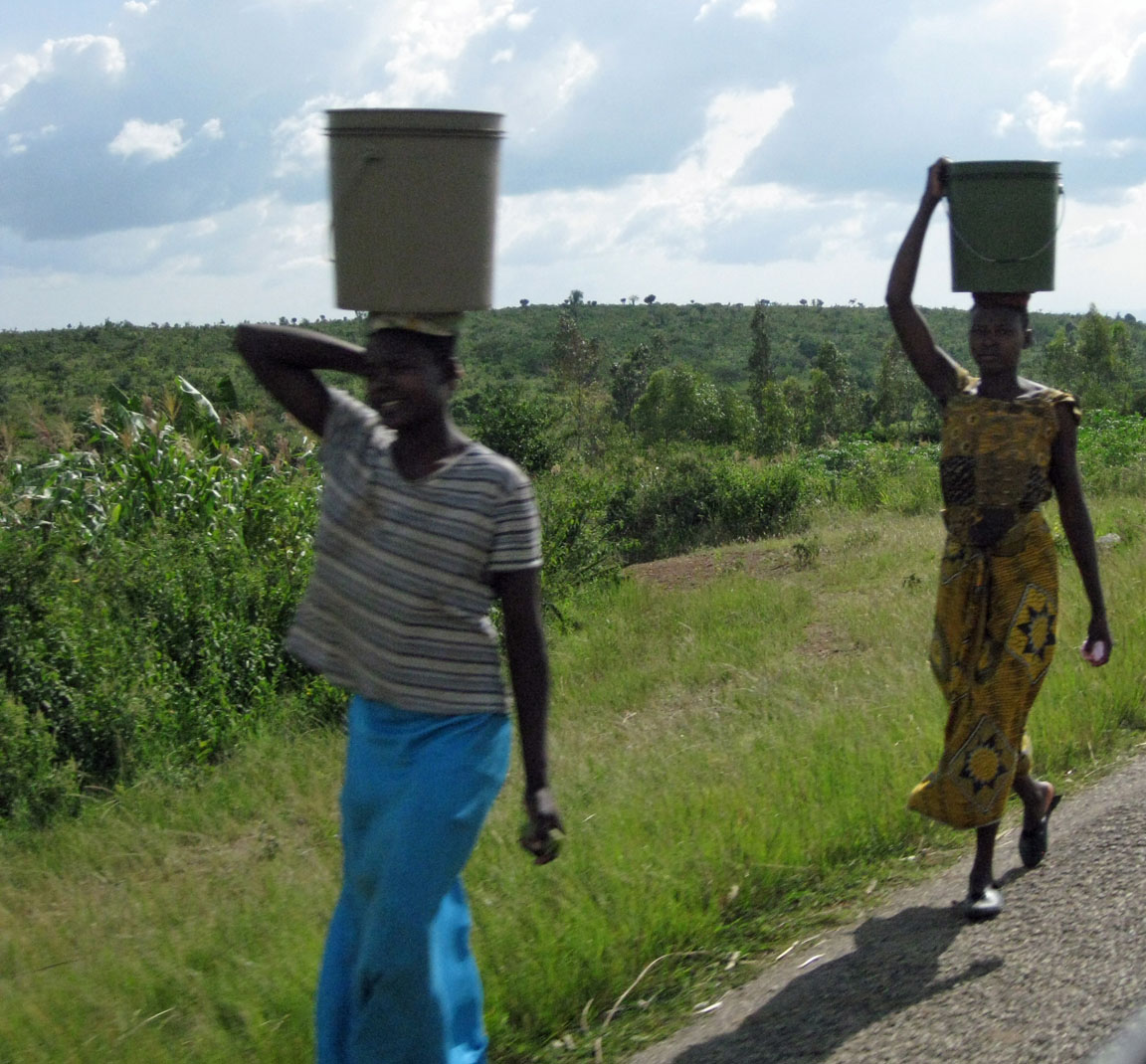
Women with water buckets on their heads passed us on the sides of roads, and young children walked by alone holding hands. Life centers on doing what one must to care for one another. Extended families generally live together on a plot of land in a bundle of small makeshift homes often with dirt floors. As the children marry they build another home nearby and village life continues.

In this land of immense poverty, many subsist on one meal per day. As our cook insisted we have second and/or third helpings around our campsite for each meal, a part of me wanted to package it up and distribute it to the people in this land. Why stuff my body when so many Tanzanians would be delighted with my scraps? I thought of how I often take the food I eat for granted. I’ve never had to go without a meal.

 Then I reflected on living in a culture where plates in restaurants often resemble “platters.” We have many eateries with endless buffets where people pile small mounds on their “platters” and go back for more. Then there are the cruise ships which cater to the midnight crowd lest anyone go hungry for a few minutes. We then wonder why obesity has become rampant in our country and along with it, explosive heart disease, diabetes and other maladies. When is enough, enough?

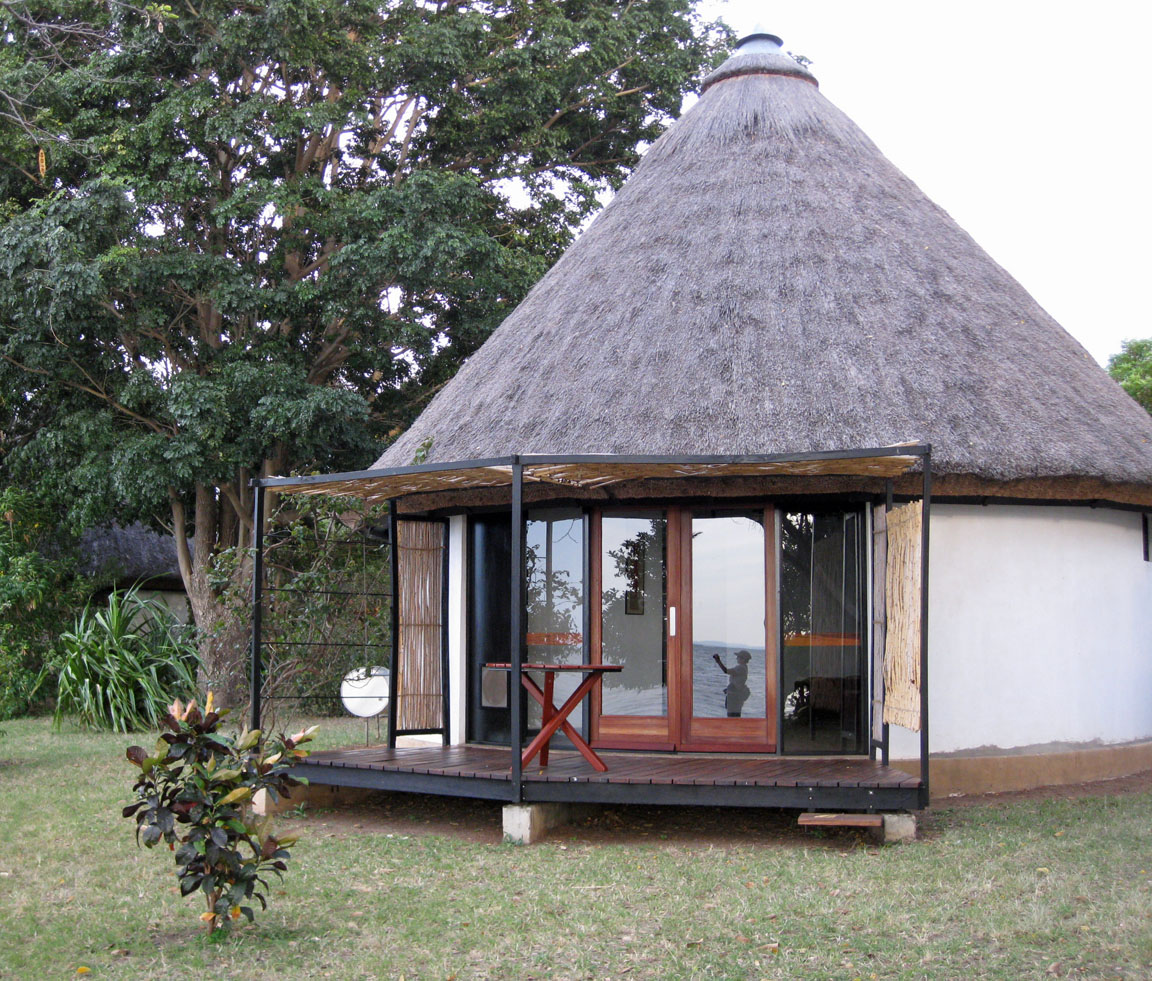
 By the end of the day we checked into our bungalow on Lake Victoria situated on a beach. Swimming is condemned due to the hippos in the water and  also, extreme contamination.  We walked the grounds and passed a group of fisherman. I wondered if they knew what lurked in those waters. They laughed at us out walking as a sport in our athletic clothes. They, in turn, have on their Sunday finest every day of the week, even for fishing, and for them, walking is a clear necessity.

 The next day we drove to the Serengeti Wild Animal Reserve entrance to our camp 150 kilometers inside. The park is an astounding 14, 763 square kilometers. A Momma Baboon ran across the road with her baby on its back like it was riding a horse, it even held onto her fuzzy, thick fur as if it were reigns, hitting its little feet into her sides. Giraffes ate leaves around huge thorns and the Secretary Bird passed us in her search for snakes and lizards, his food of choice.

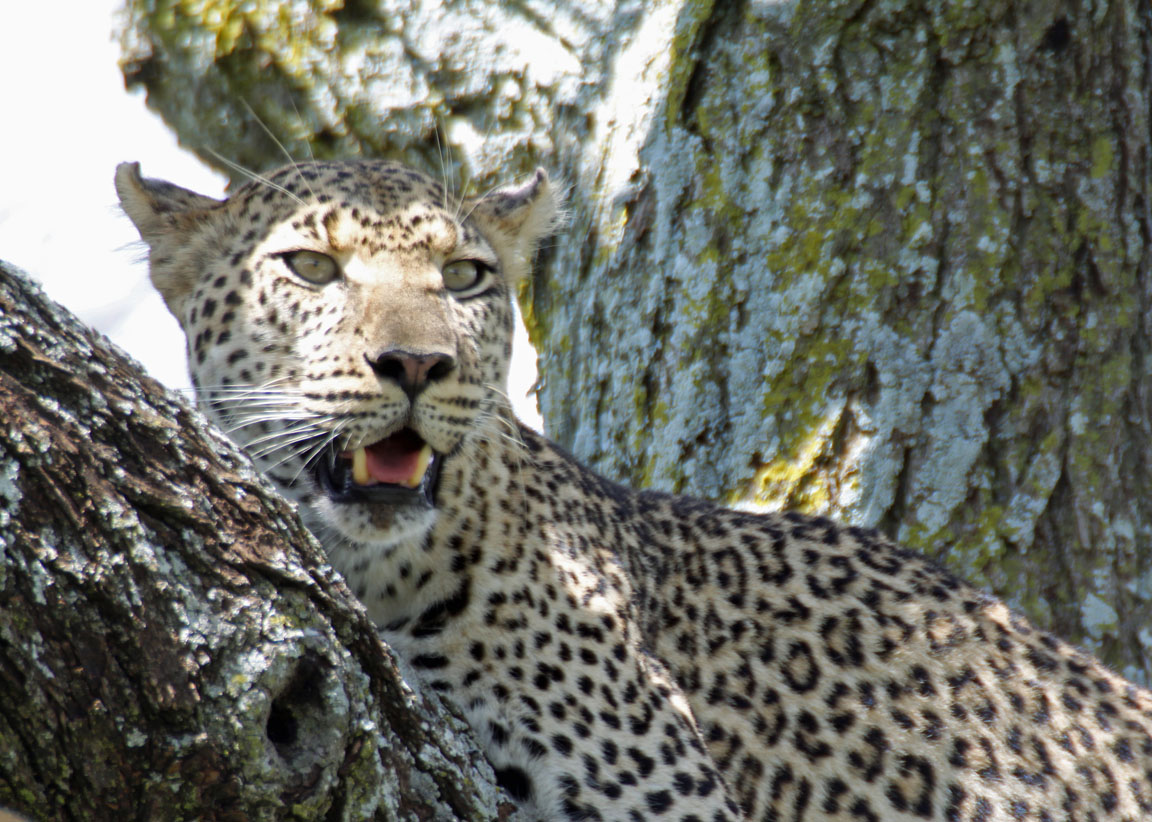
 We spotted our first leopard in the trees which soon scurried down for its hunt. They usually carry their prey back up the tree though we could not keep track of this exquisite animal as he sauntered off into the deep grasses.

Elephants crossed our path with one resting its trunk on the back of another as they moved. Another one uprooted a tree–at 6 tons they are the animal with the largest mass followed by the hippo and then the rhino.

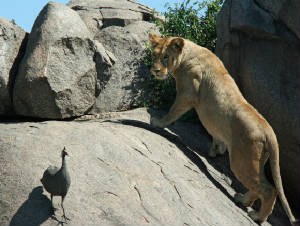
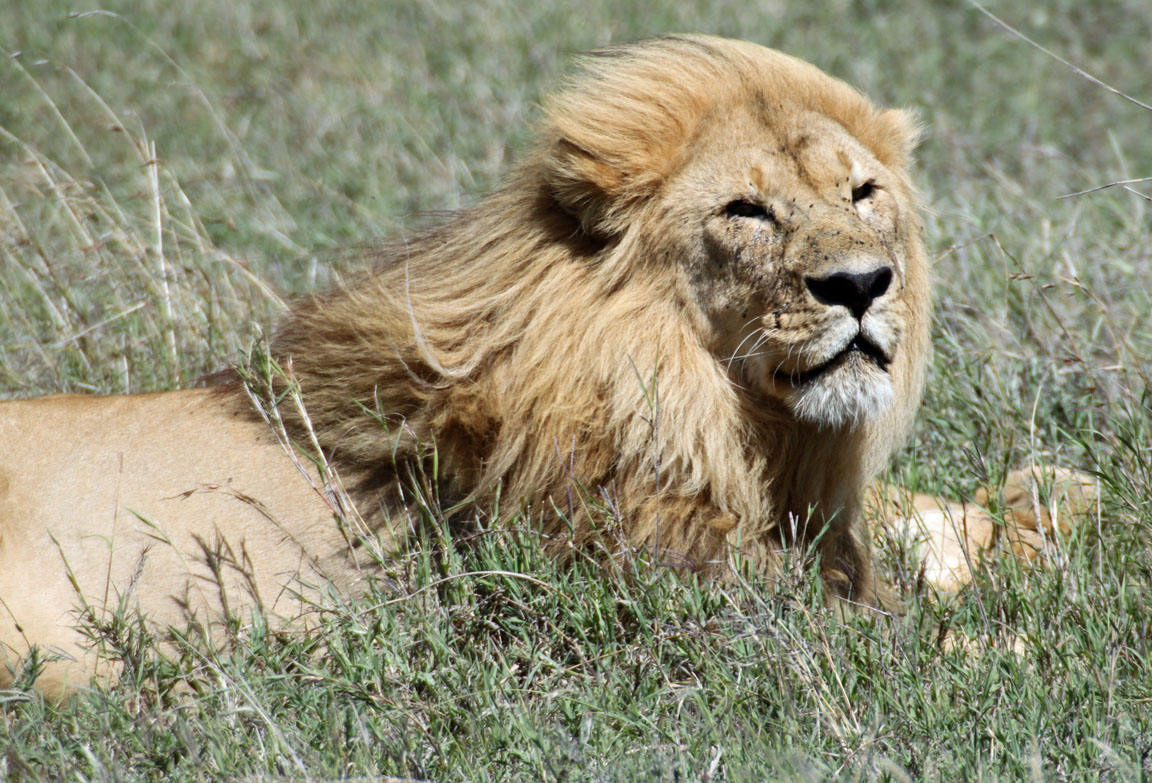
Later on a game drive we drove for hours before a pack of lions caught our eyes. We relished our first glimpse at a male lion with a full mane just like in the Lion King. He had his harem of females around him and one of them chased down a guinea fowl, and they all flew away squawking. To which the lion curled up on the nearest warm rock and placed her paws on her nose, ready for yet another “cat nap.”

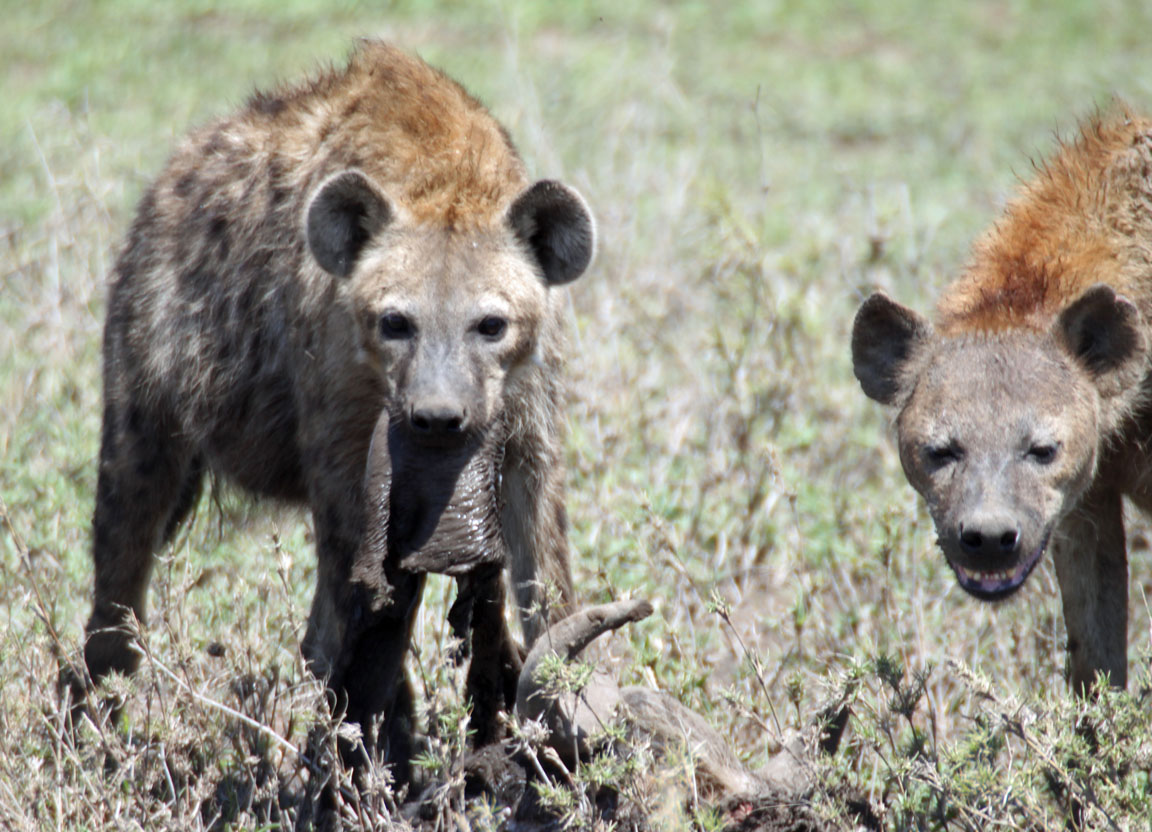
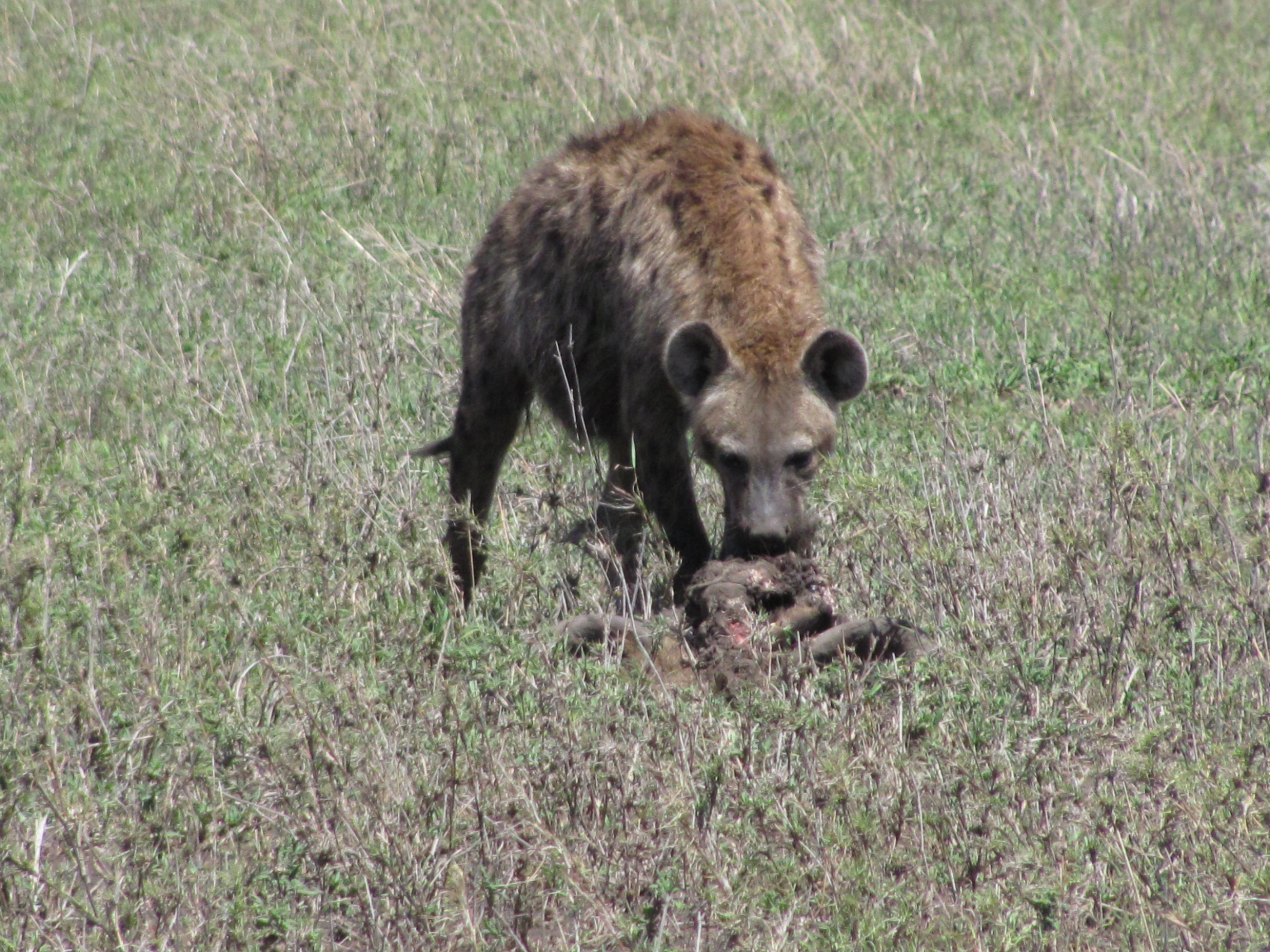
 We then saw the partners in air and on land. The vultures with their x-ray eyes and the hyenas with their keen sense of smell are the perfect pair to scavenge together though the ground rule is hyenas get first helpings. We witnessed them eating a fallen wildebeest likely killed by a lion.

  Right about this time a swarm of flies surrounded our truck, and we spent the next hour fending them off. Fortunately they grew tired of us batting our baseball caps at them, and they flew off to find some creatures with less dexterity to pester.

In the Serengeti we camped in a primitive site without any guards. Our guide and cook didn’t possess any weapons so at night we shined the light all around to make sure no animals had joined us for the evening. Just before bed, we pointed the light at the tree near our tent to make sure no leopards awaited us.

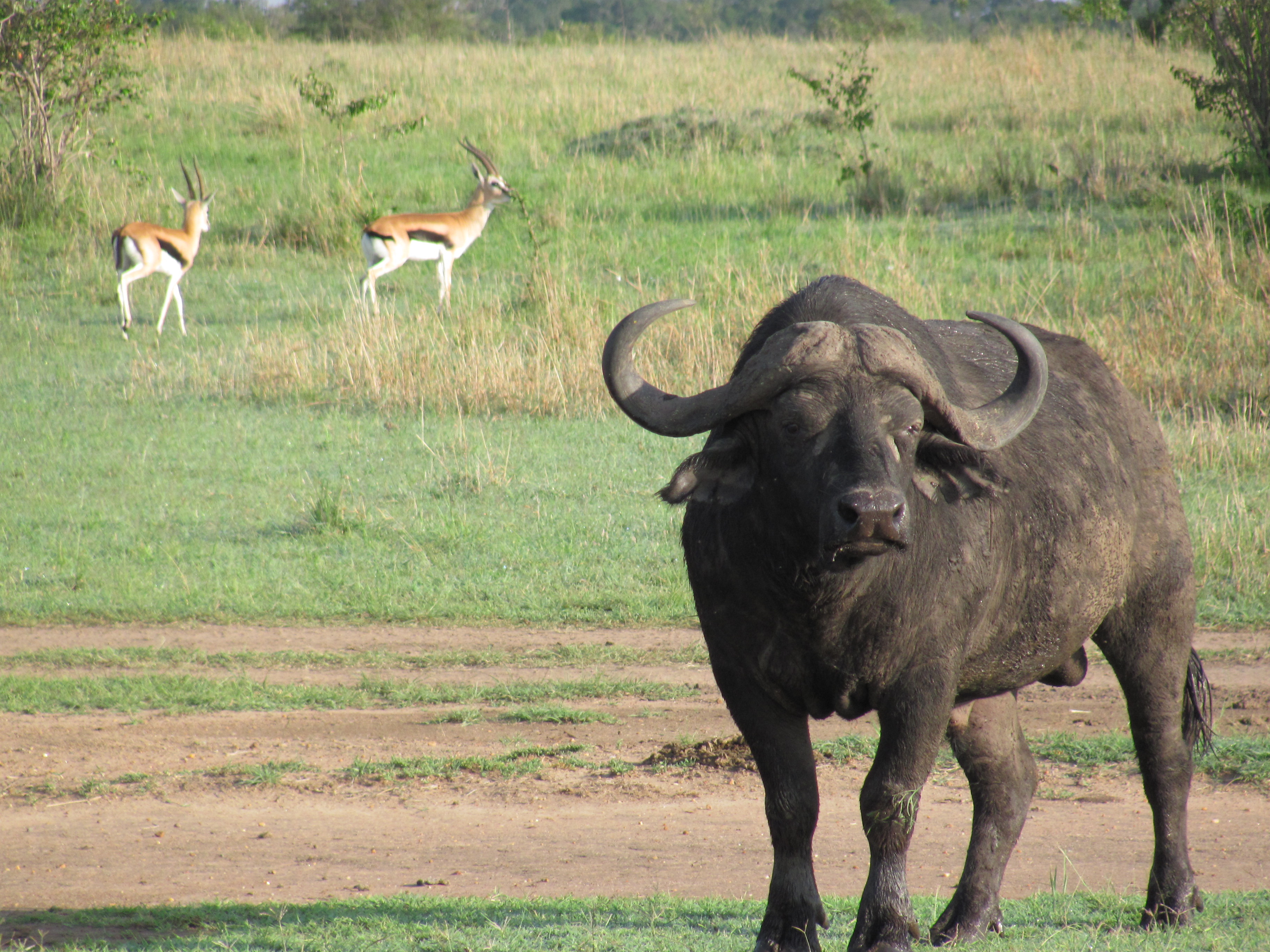
 As we left the park on our final day, just around the corner from us sat three young male lions, likely kicked out of their Pride to go out and start their own. Not far from them a large herd of buffalo trotted around, stirring up loads of dust in their path. As we drove away from this expansive land, I felt grateful that we didn’t get to know our neighbors.

 One never knows what is lurking around the corner in the wilds of the Serengeti. Yet it had me think about it as being the fabric of life. There is no certainty. The more we can accept life as it is, the more at peace we can become. What would this be like for you?


Posted by: Suzan | March 31, 2011

Be Here NOW With Your Meditation Practice

I’m taking a break from entries on our African journey to share some of my upcoming book with you. The below article is an excerpt from “Awakening the Wise Woman Within You, Igniting Your Passion, Purpose, and Playfulness.” (from the chapter entitled Be Here Now with Your Meditation Practice) – ENJOY!

  • Join a meditation group to learn a variety of breathing techniques, mantras, and other helpful tools to guide you within. Scientific studies in quantum physics have proven when groups gather together to meditate, a powerful force field is created. One significant experiment led by Dr. John Hagelin brought thousands of meditators together for a period of time over two months in Washington D.C. The results indicated a significant reduction in the crime rate. Not only does the group meditation experience positively impact the meditator, it can also transform our world. 

Group Meditation with our Beloved Katy (aka: Ka-Tea)


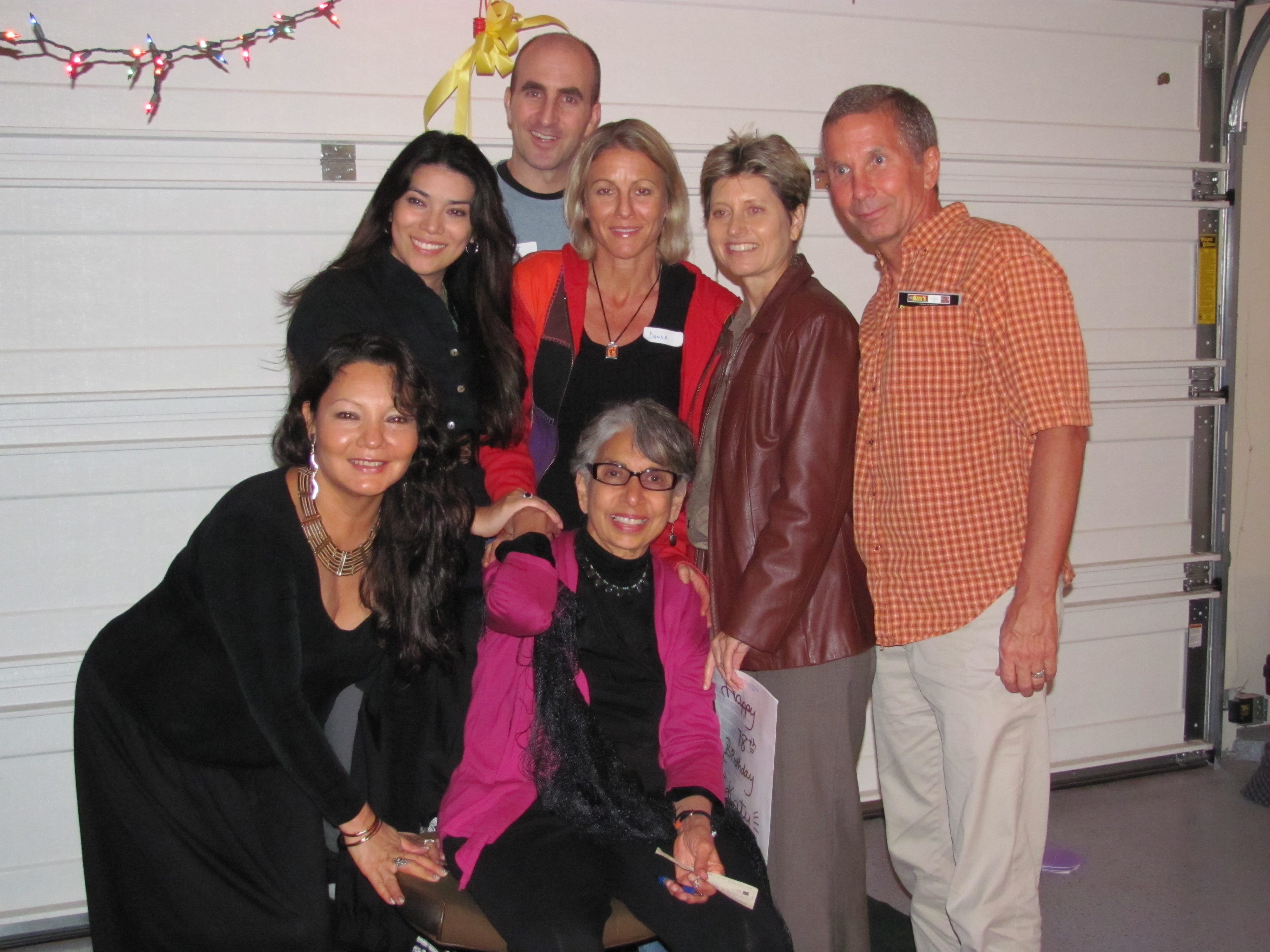
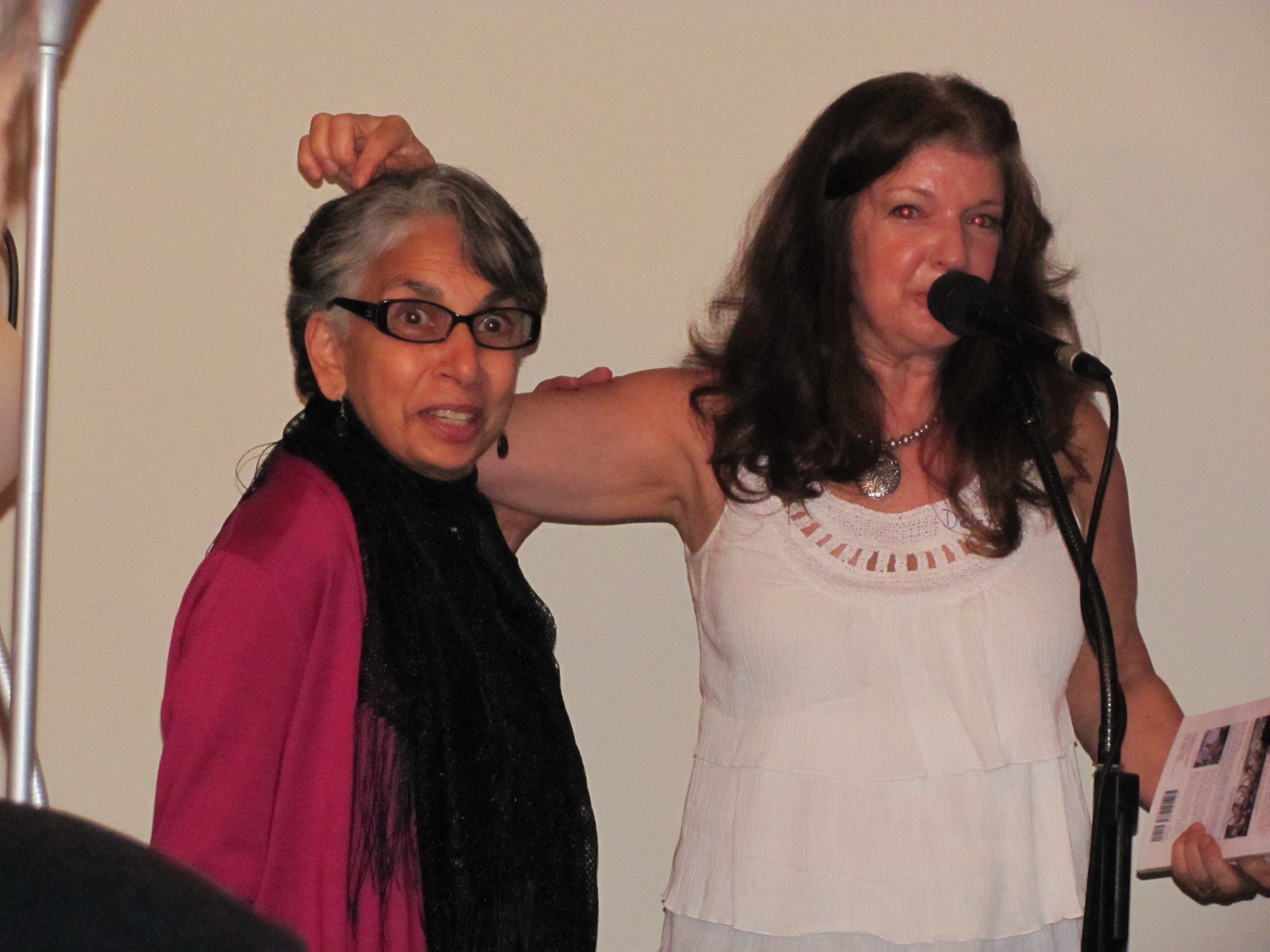
Almost two years ago I joined a weekly meditation group which meets every Wednesday night at 6:30 pm at Katy Guard’s home. She is a spry, brilliant, outspoken woman from Bombay, in her late 70’s without a wrinkle on her skin. There we tame the thoughts which rush through our minds so our meditation practices can flow more like gentle streams than cascading waterfalls.

Yet this practice has also helped me to better understand and feel more connected to the oneness of humanity allowing love, compassion, and kindness to form deeper roots in my being.

To her “children,” as Katy calls us, she is Ka-Tea because of the large silver urn of homemade Masala Chai Tea which awaits us when we arrive. It tastes as if it has come directly from the best Chai Walas, servers of this staple drink, in India.

During meditation Katy guides us within to our private sanctuaries where we find peace and rest. We sit on pillows on the floor, and often lie down wrapping the blankets we have brought from home around us. She then leads us through visualizations where we float free from life’s concerns and even our own bodies, somewhere out into the cosmos. We then study a chapter from I am That, a Spiritual classic which shares the timeless wisdom of our guru, Sri Nisargadatta Maharaj. His four life precepts are what we aim to follow:

1)     Avoid the unnecessary

2)     Don’t anticipate pleasure or pain

3)     Don’t repeat mistakes

4)     Live an orderly life


Finally we end the evening with a delicious, homemade Indian meal which Katy and a devoted “child,” Scott, prepare for us as we sit around a large round table passing food to one another and catching up on our latest life happenings, just like the family we have become.

                        To learn more about Katy or to peruse through the book I am That, you may visit her site: http://www.YogawithKaty.com


Posted by: Suzan | March 13, 2011

Life without “More” Pressure


Part 7: En Route to Tanzania (Serengeti)

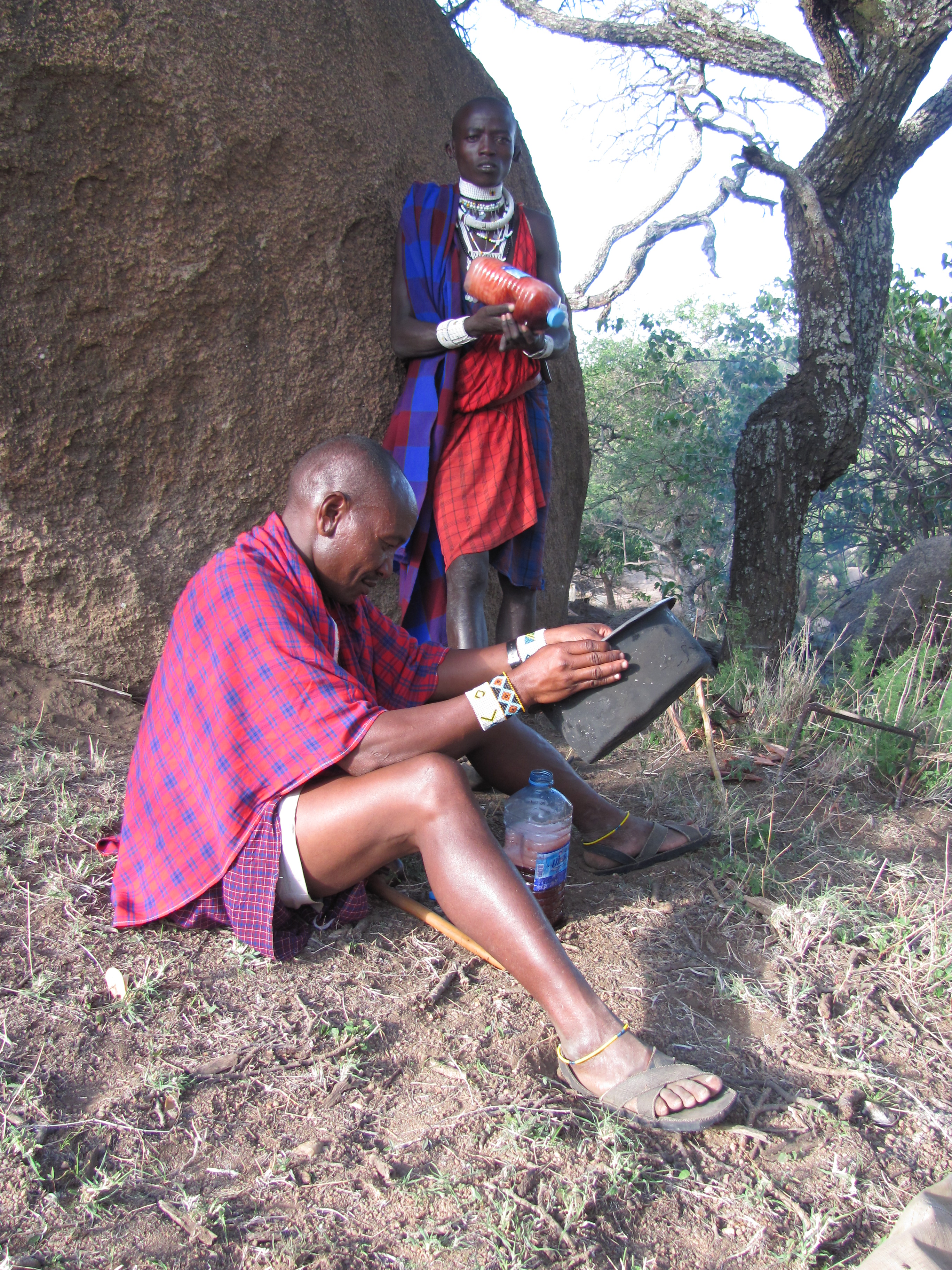
The Maasai jumped down from the roof of the Land cruiser as we neared their village. They gathered their machetes, spears, bow and arrows as we do our briefcases or laptops in the morning. They then turned toward us, flashed us their broken tooth smiles, and waved.

I thought about how simple it must be for them in the mornings. With only one outfit to wear, there isn’t much time wasted. Not that I consider myself a fashion queen. My main wardrobe primarily consists of outdoor gear. Yet for most of us women, we do spend energy each day contemplating our closets, and likely much time scouring around malls or boutiques determined we need more. What would our lives be like if we didn’t have “more” pressure?

As we headed toward the Tanzania border we drove through massive mud holes, many filled with water, and again, Salum took us skillfully through them all. At times we walked alongside the truck for our exercise, often passing it up.

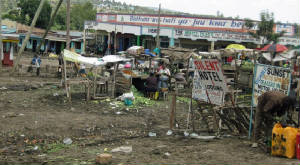
We stopped in one village for more fuel. Salum got out of the truck and knocked on a door. Two people came out and put a funnel in filling the truck up from a plastic container. Across the dirt street people sold everything from clothes to food in what resembled a large flea market. They shop or barter every day for their life provisions as there are no Costco’s, grocery stores, mini-malls, or gas stations in these areas. They buy according to their means; there is no waste. How many times do the vegetables wilt in our refrigerators or do the dairy products spoil? Do we really need cases of food at one time or 100 rolls of toilet paper? How did we become a society obsessed with needing “more”?

As we drove through the shanty towns, children ran along the sides of the road towards us. They stuck out their bellies and rubbed them gesturing as if they were eating a meal while pointing to their mouths. We handed them food out of the truck window, whatever we had, and they gathered around us devouring anything we shared. Later a child came over, reached in the truck window and touched my water bottle with his dirt stained hands. His cracked lips quivered as he asked in Swahili, “Bwana, Asante.” (Water, please).

I poured some of my water into a container for him and watched him lap every drop up. I felt my eyes tear up as I imagined what it must feel like to live with an empty stomach and a parched throat.

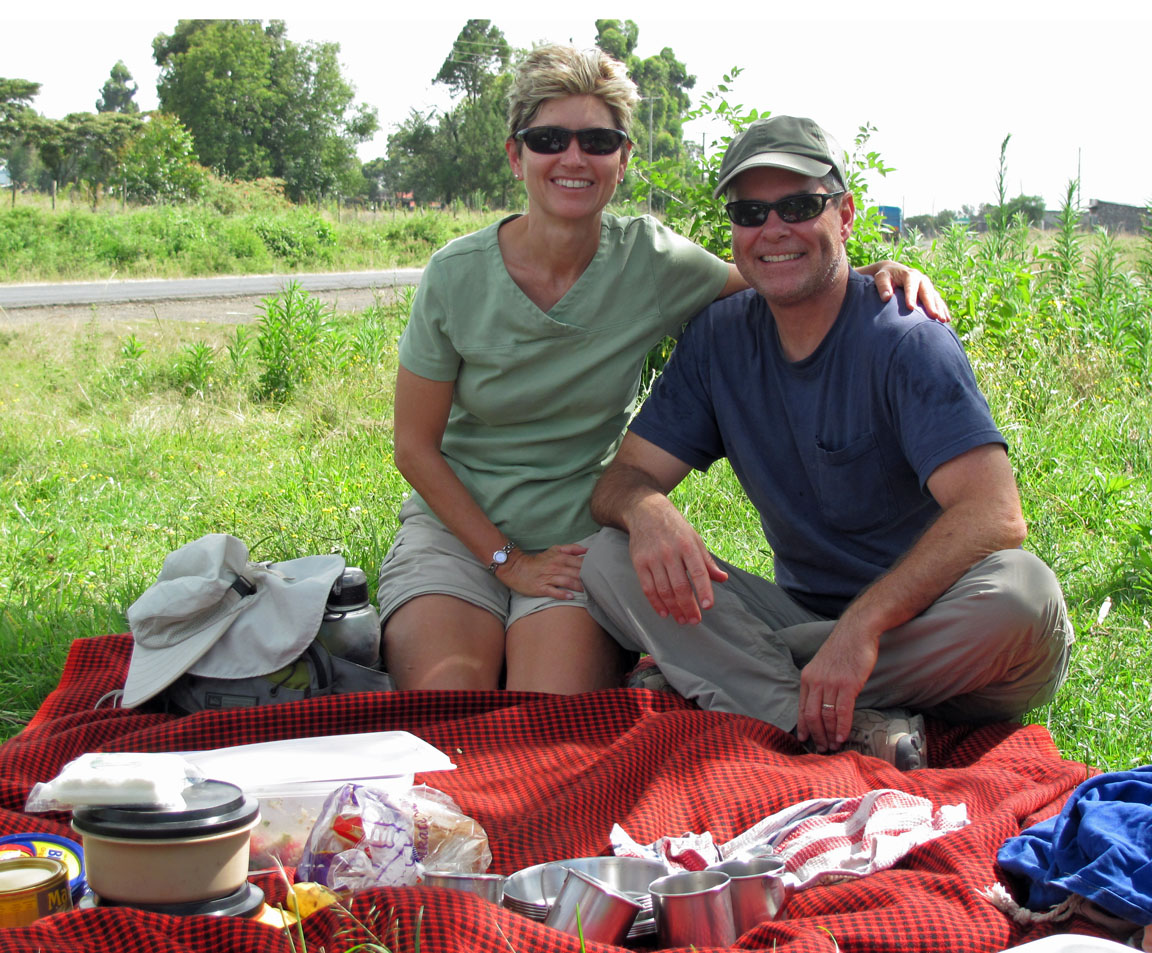
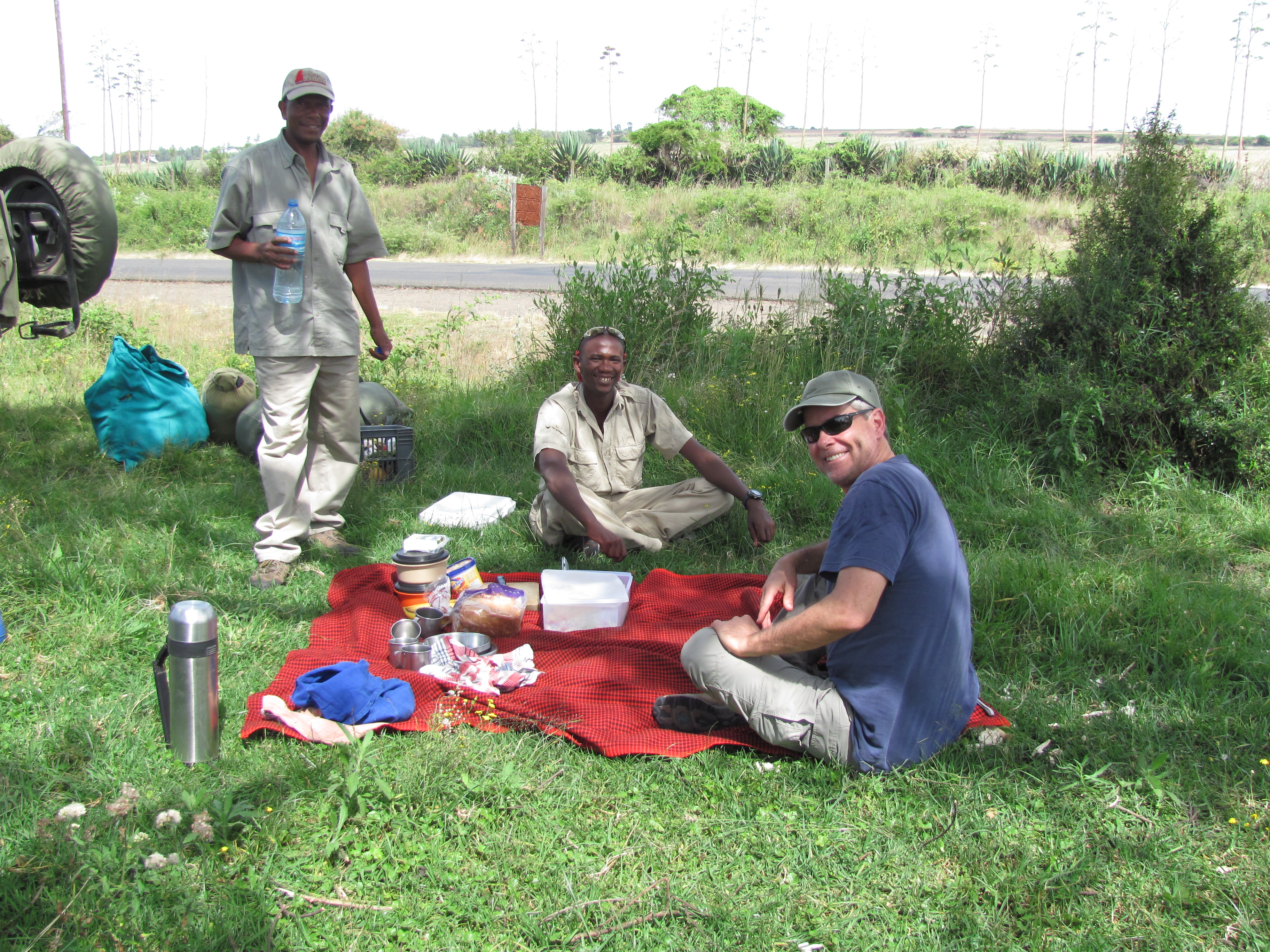
Soon afterward Salum pulled our truck off the road for our daily picnic.  We feasted upon a salad of tomatoes, rice, chicken, avocados, raisins, and mayonnaise dressing with slices of fresh pineapple and feta cheese as side dishes. With each bite I prayed silently that others who are hungry can also be well-nourished. I never enjoyed a meal as much as this relishing every morsel. I learned to appreciate what I have in every moment desiring a life without “more” pressure. What could that look like for you?


Part 6: Maasai Mara Wildlife Reserve, Kenya. For more stories, please scroll down. For more photos (including the one week old lion cubs), please visit our travel site: http://www.WeBeNomads.com (will be posted within the next few days)!

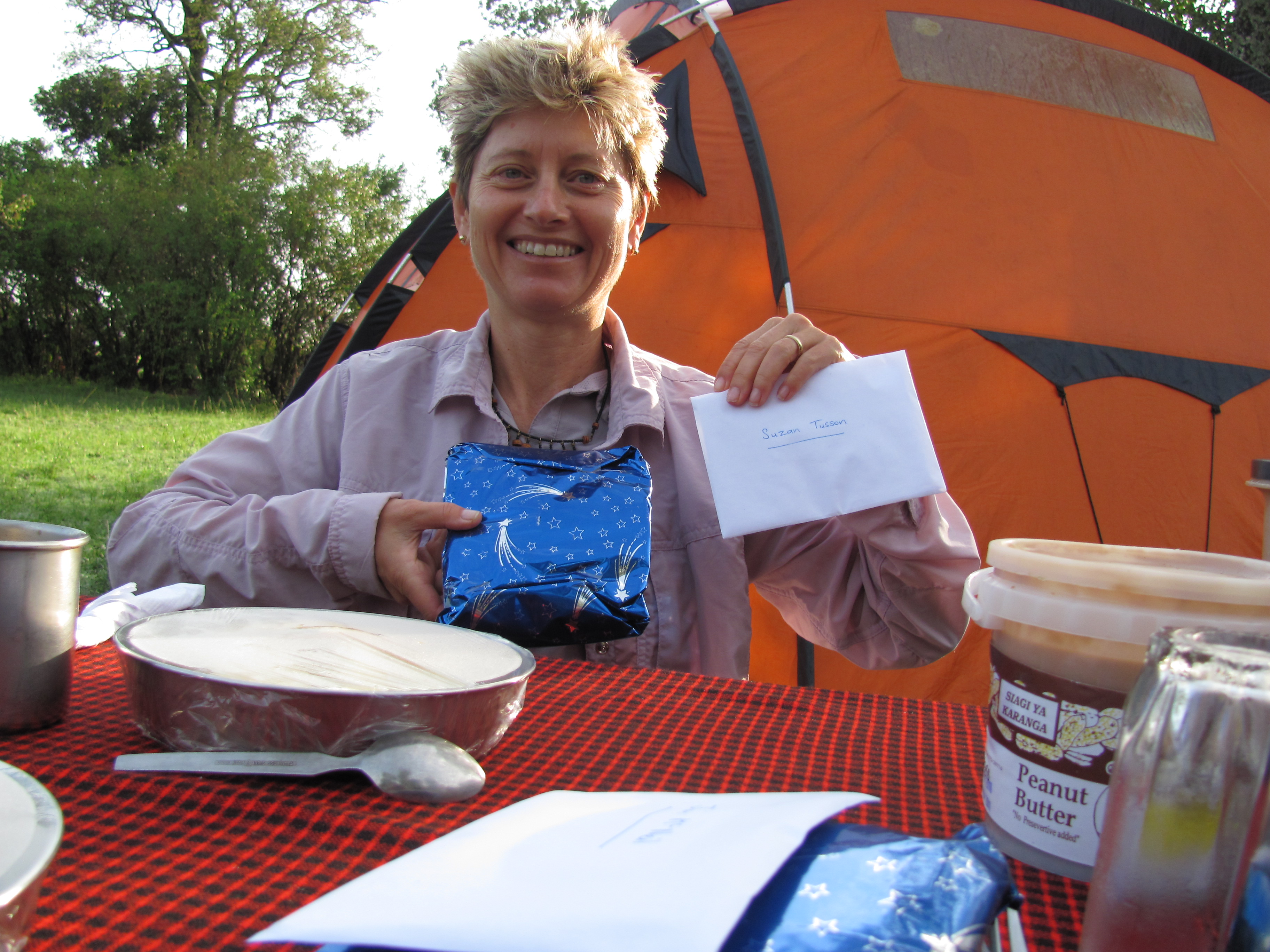
Christmas morning, 2010 found us deep in the bush of the Maasai Mara Wildlife Reserve. On our picnic table were wrapped presents. Baseball caps from our safari company, African Latitude with hand-written cards. I felt like a small child hovering over gifts from Santa. What a delightful surprise! We were also elated because the rain stopped in time for our first game drive.

 We climbed into the Land Cruiser, this time with the roof open to aid our viewing. As I stood up and leaned out of the roof top, it seemed as if I was on a Mardi Gras float in New Orleans. Yet our sudden swaying from the off-road terrain brought me back.

 Vultures circled overhead while packs of hyenas and jackals scattered around us. I smiled at the female hyenas that dominate the pack and can select whomever they want to mate with. Hmmm…Sadie Hawkins style out here in the preserve.

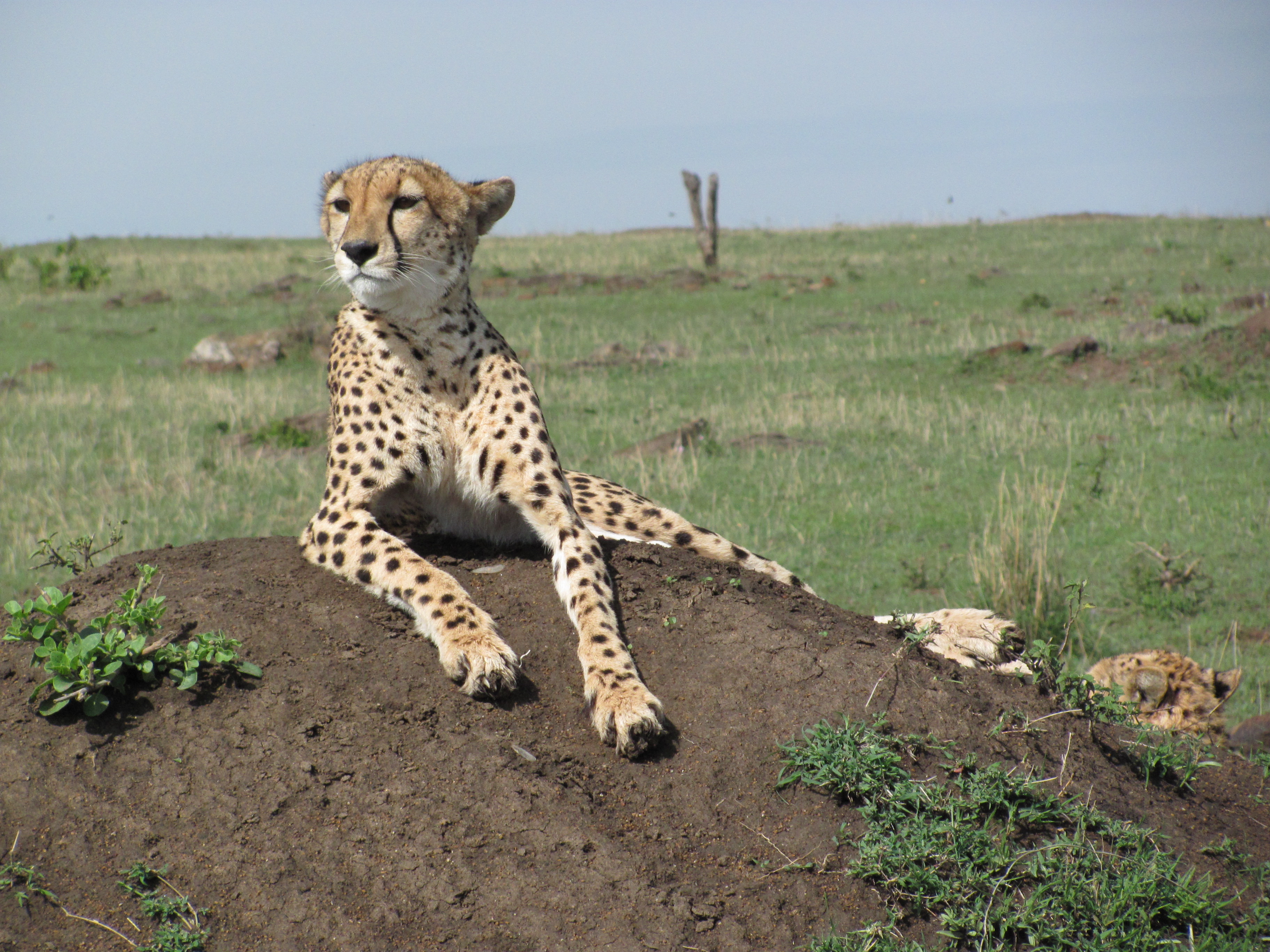
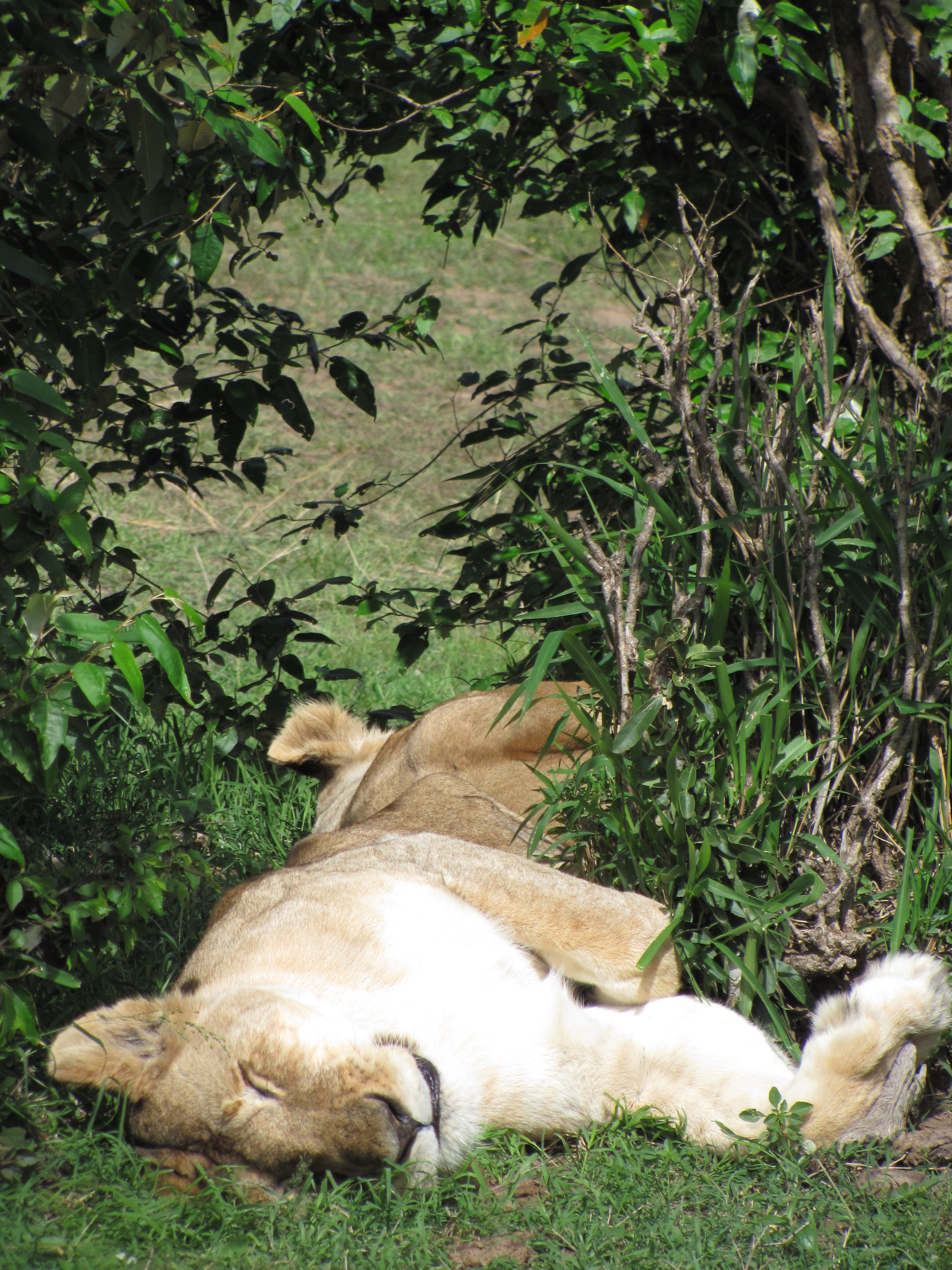
 Cheetahs relaxed on a dirt mound near us, resting from their recent travels upwards of 120 kilometers per hour. Balelore Eagles nested in the trees and took flight with enormous wing span much wider than I am tall (at 5’2”). Then we were able to get as close as 10 feet from sleeping female lions, one with cubs only one week old. They stumbled around as they walked as their eyes weren’t even open yet. We lingered here for more than one hour. Our guide, Salum, told us that in his 10 years of leading safaris, he’d never witnessed such young cubs. None of us wanted to leave. 

Salum shared that the female lions like to escape from the male lions because of their dependence on the females for their food. They never wander more than 2 kilometers from their pride (family), yet the females do what they need to do on occasion for their self-care. It reminded me how important it is as women to do the same. We all need a break from the routine, and it is up to us to make that happen.

 Our afternoon drive introduced us to Nile crocodiles about 15-20 feet long who shared their river with the hippos. Not a place anyone would dare swim and live to tell the tale. We actually climbed out of the truck for better viewing yet ran back to it when a large group of them splashed into the water from the opposite bank and began swimming toward us! 

Many other birds and animals from storks to wart hog families to huge herds of wildebeests and zebras crossed our paths. The wildebeests follow the zebras during the annual migration as they don’t have a sense of direction. The most important thing is they get to where they need to be, with a little help from their friends. The next time you think some goal is beyond your reach, try seeking help from those around you. Someone will always know the way and can guide you there, if you’re open to asking for direction. 

Then a sudden downpour and lightening storm descended. Our jeep swerved on slippery mud all the way back to our bush encampment. We observed a pack of lions stalking zebras. They fell short of capturing them as they generally are successful only 50% of the time. This pack of lions seemed to prefer shelter from the rain. Perhaps these females were worn out from being solely responsible for making sure everyone is fed. 

We shared Christmas dinner with our driver/guide, cook, and some of the Maasai tribe under a big orange tent being pelted by a deluge of rain. We feasted on an organic chicken stuffed with rice, cabbage, and drank some red wine toasting to a holiday we will never forget. I slept soundly, fully-clothed, awakening momentarily to Jim wiping my face with a wet wash cloth, removing my boots, and wrapping the blanket around me. As I drifted back to sleep I reveled in my final Christmas memory – the little things in life matter most.

Posted by: Suzan | February 26, 2011

My Cup of Simplici-Tea


Part 5 Kericho, Kenya and the Maasai Mara Wilderness Reserve, Kenya

 En route to the Maasai Mara Wilderness Reserve we passed endless arrays of shanty towns. Villagers crowded the roadsides peddling wares including live chickens and tea. Since we slowed down often to maneuver around giant pothole, these items were often shoved into our car windows. 

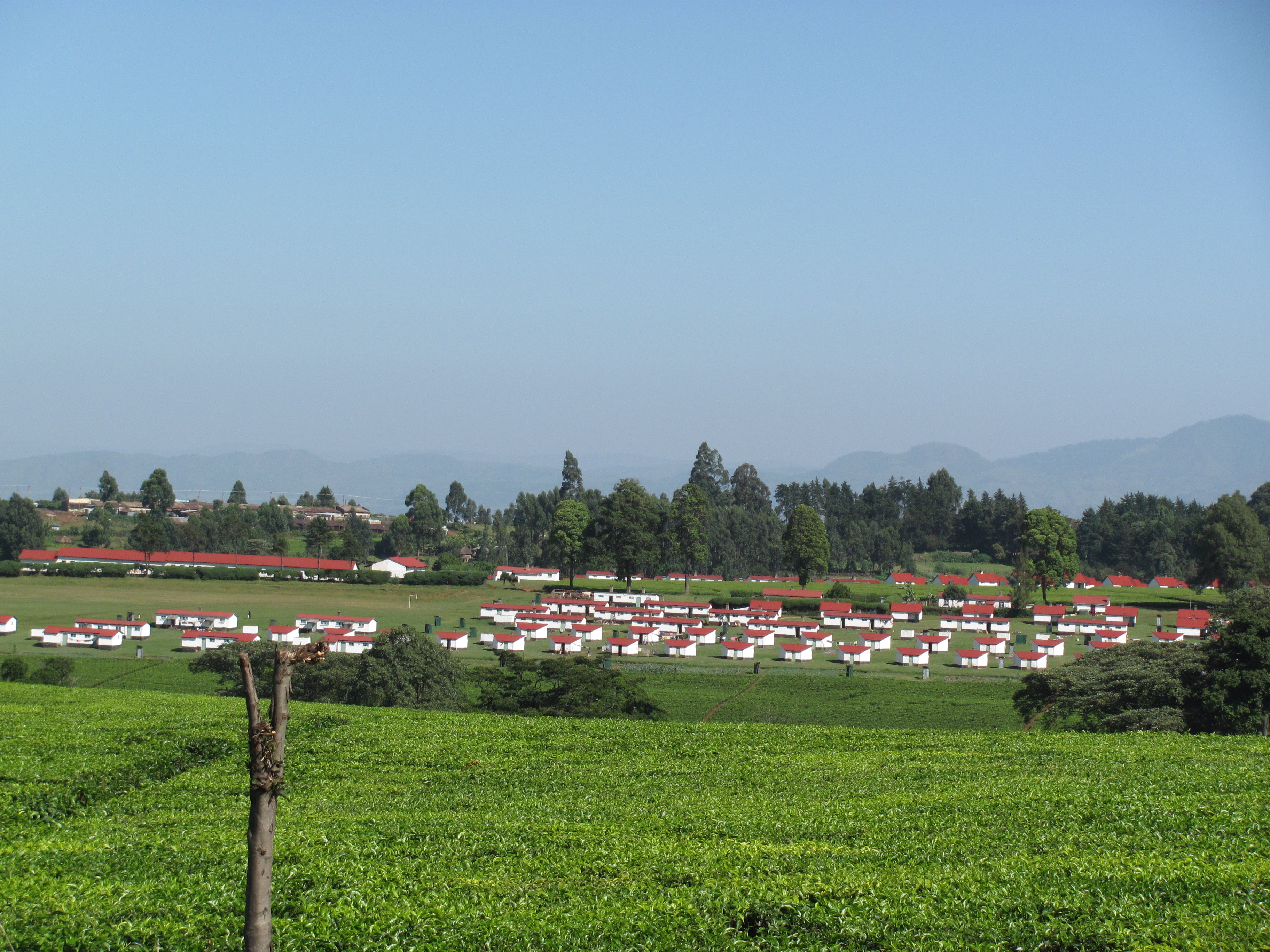
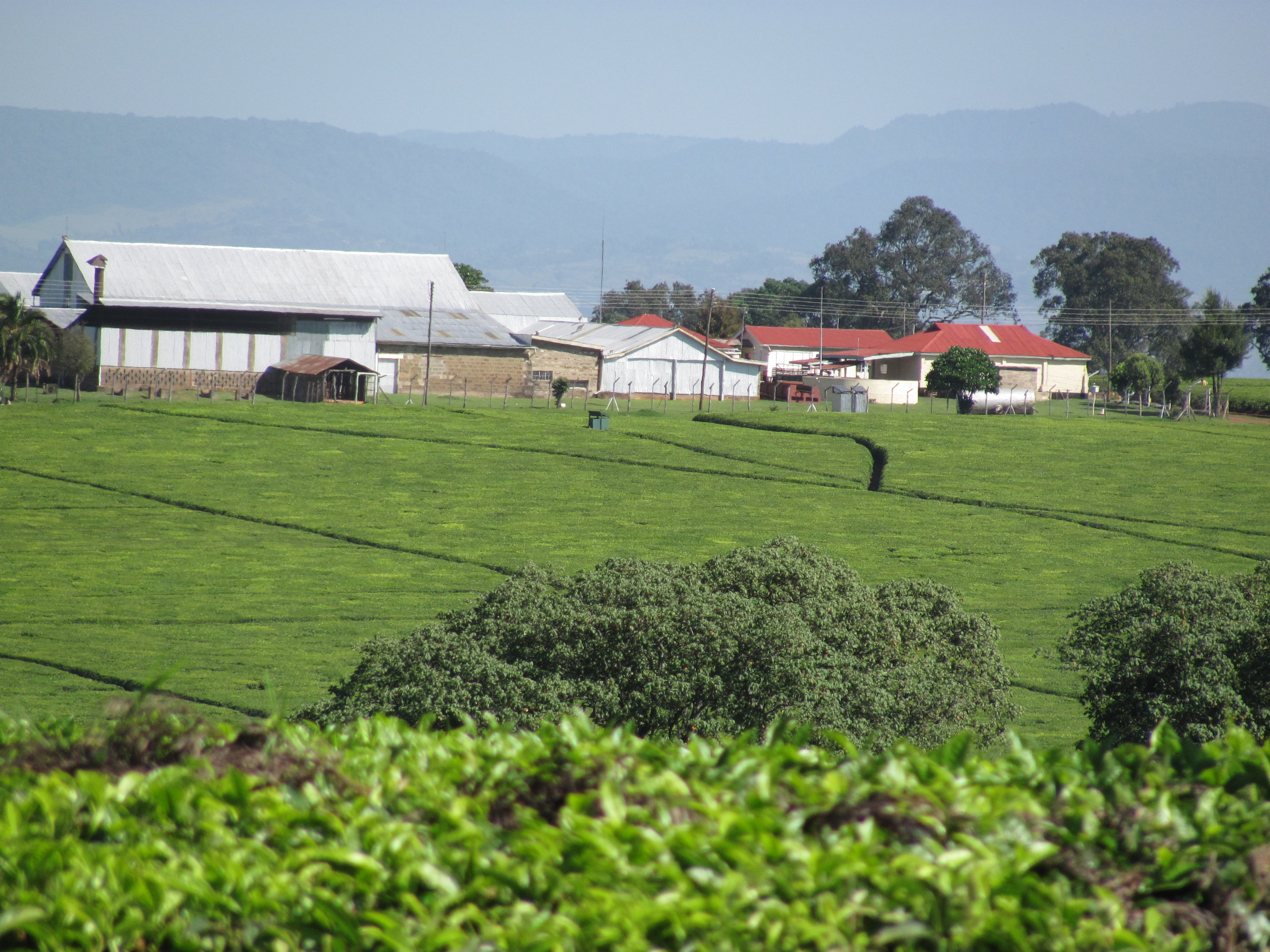
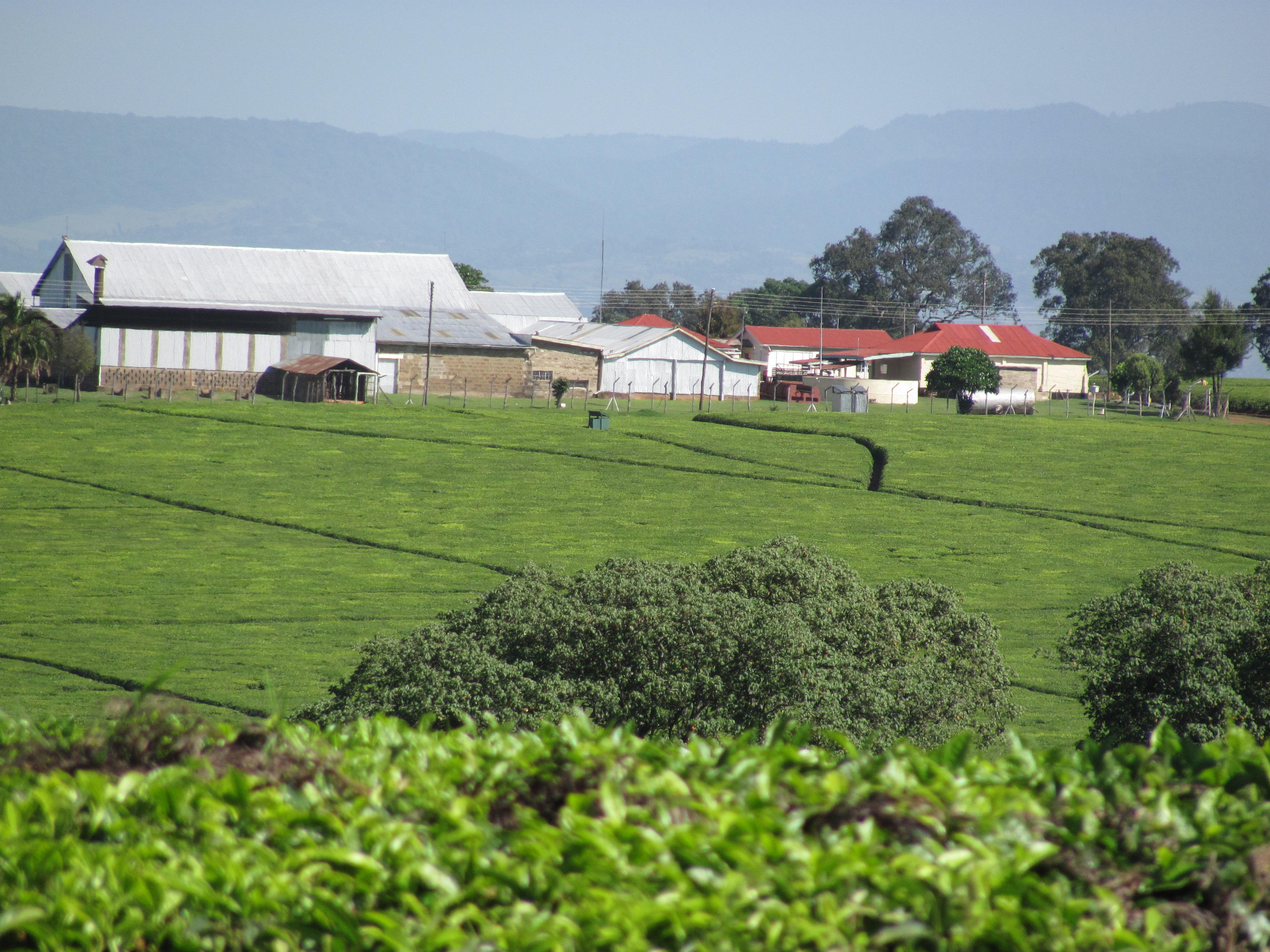
We learned that 2/3 of the world’s tea production comes from the Kericho, Kenya area. Many people hand pick the leaves which are then dried to become tea. Some use machines which save a tremendous amount of ‘people power’ as one machine can do the work of 500 individuals. Each plantation houses all of its workers, often thousands of people, and has a school on site for the children.

 We pulled over to a gas station to fill-up, and I got out to stretch. A woman standing next to her truck walked over, grabbed my hand, and shook it numerous times. She told me that she transported tea leaves for Unilever which owns Lipton. Next we were invited to a factory tour and the young woman plopped into our vehicle to navigate the way. Our cook joined her mother in the truck behind us. In most cases, workers grow up on a tea plantation and remain for life. So the next time you’re sipping tea, reflect on the long process and journey your tea ventured to arrive in your cup!

 Unfortunately, when we arrived, her operations manager would not allow us in so the Lipton tea factory will remain a mystery. Yet driving through the grounds and viewing hand-pickers, machines, lakes with multi-colored flowers in bloom on lily pads, verdant rolling hills, and a sighting of the deadly green mamba snake slithering across the road in front of us, made our expedition worthwhile.

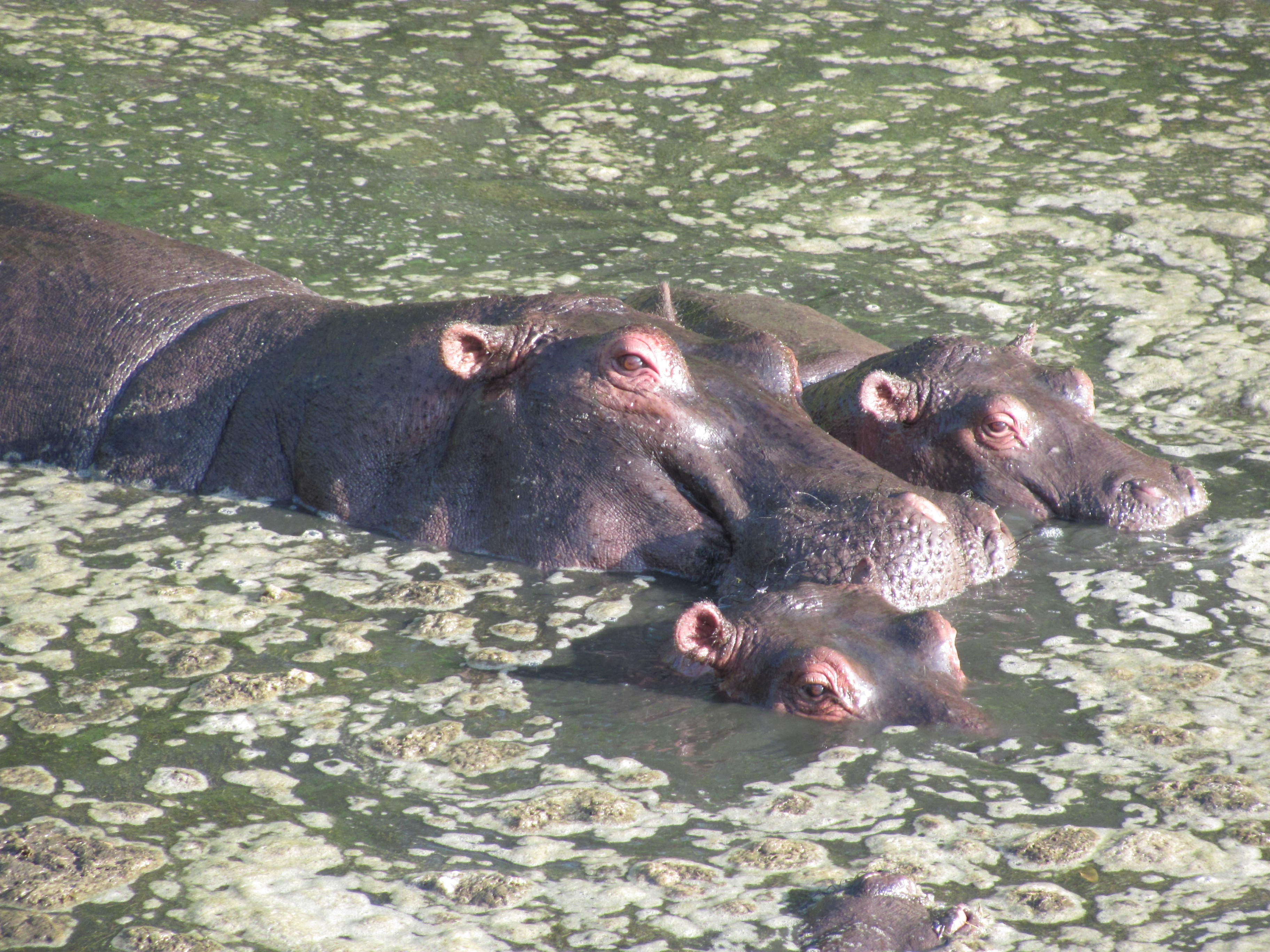
 In the late afternoon we arrived in the heart of the Maasai Mara wildlife reserve to set-up camp. Two Maasai warriors equipped with spears and machetes stood guard at our tent. They escorted us to our meals and to the bathroom since we were sleeping in the ‘guest room’ of the wild animals, and at any time one or more could emerge. During the night we heard a hippo in the river below us bellowing. Lions roared off in the distance. The hippo actually grazed on the grass around us during the night. We learn they can stay about 2-3 days in the water and then they pull an all-nighter grazing on about 230 kilograms of grass. No wonder they waddle when they walk.

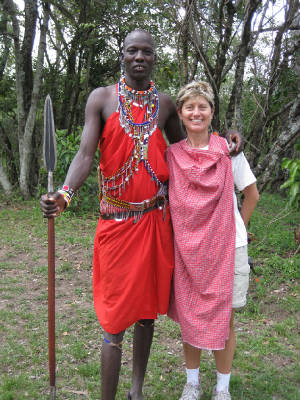
 The Maasai warriors intrigued me the most, with bright red, plaid patterned blankets wrapped around them. Their ability to defend us against any wild animal which could wander through our campground astounded me. Also the idea that they could stay up all night without the help of caffeine, since they never drink tea or coffee, even though tea and coffee plantations are abundant in the area, surprised me.

 When I learned they do not they have any devices like ipods to pass the time away – well, this blew my mind. In fact, their villages have no electricity or running water, so diversions are not familiar to them at all. Though I have no interest in living this simply; they did make me think about how much I divert to my ‘attraction to distraction.’ I’ve begun an inquiry to simplify my life and release what is unnecessary. So next time you’re sipping your tea (or coffee), ponder this: What might you do less of to have more of what really matters?


Posted by: Suzan | February 18, 2011

A British Style Respite in the Heart of Kenya


Part 4, Bogoria, Kenya, Kembu Cottages

http://www.kembu.com/

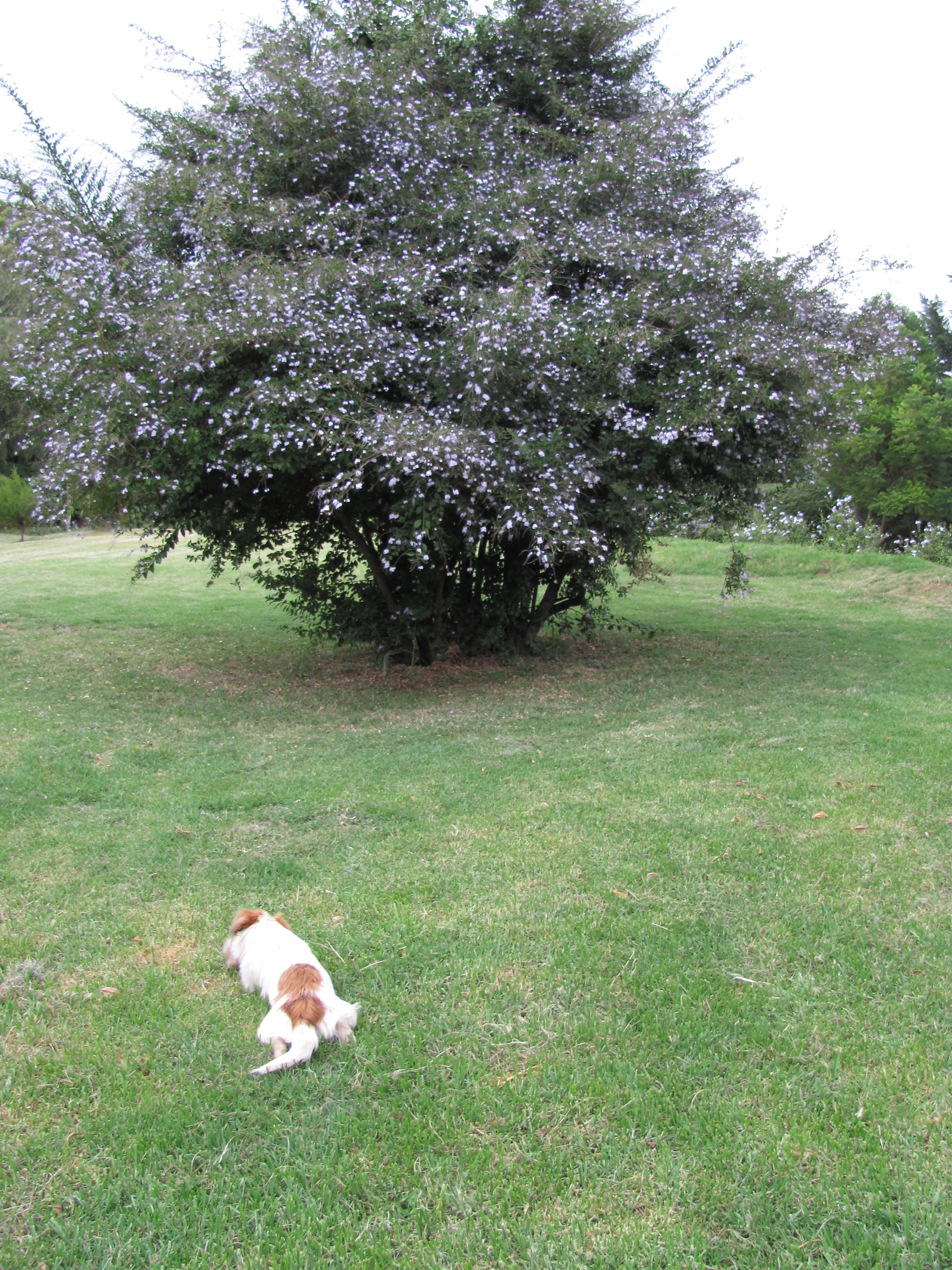
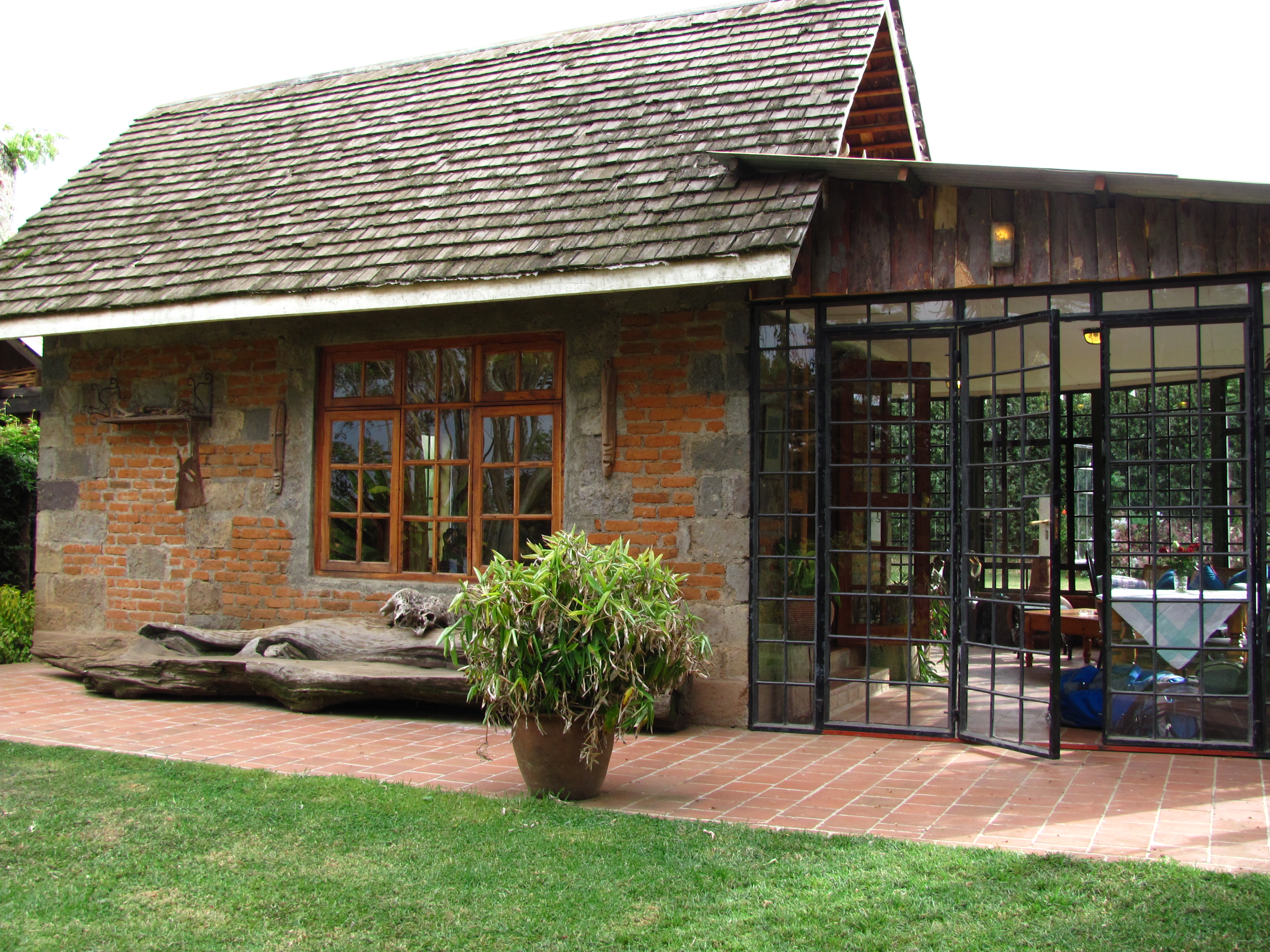
At the end of a full day of bouncing around in the back of the Land Cruiser, near sunset, we arrived at Kembu Cottages. Our abode for the night was named Acacia after the world’s largest Acacia tree which grew right outside of our door. Our private brick patio encased by glass overlooked delectable English gardens including bougainvillea, cacti, and a purple lilac bush. Running about were our very own pets for the stay; a Dachshund, Great Dane, and a Terrier mix that waved their tails and barked in unison, begging for our attention. 

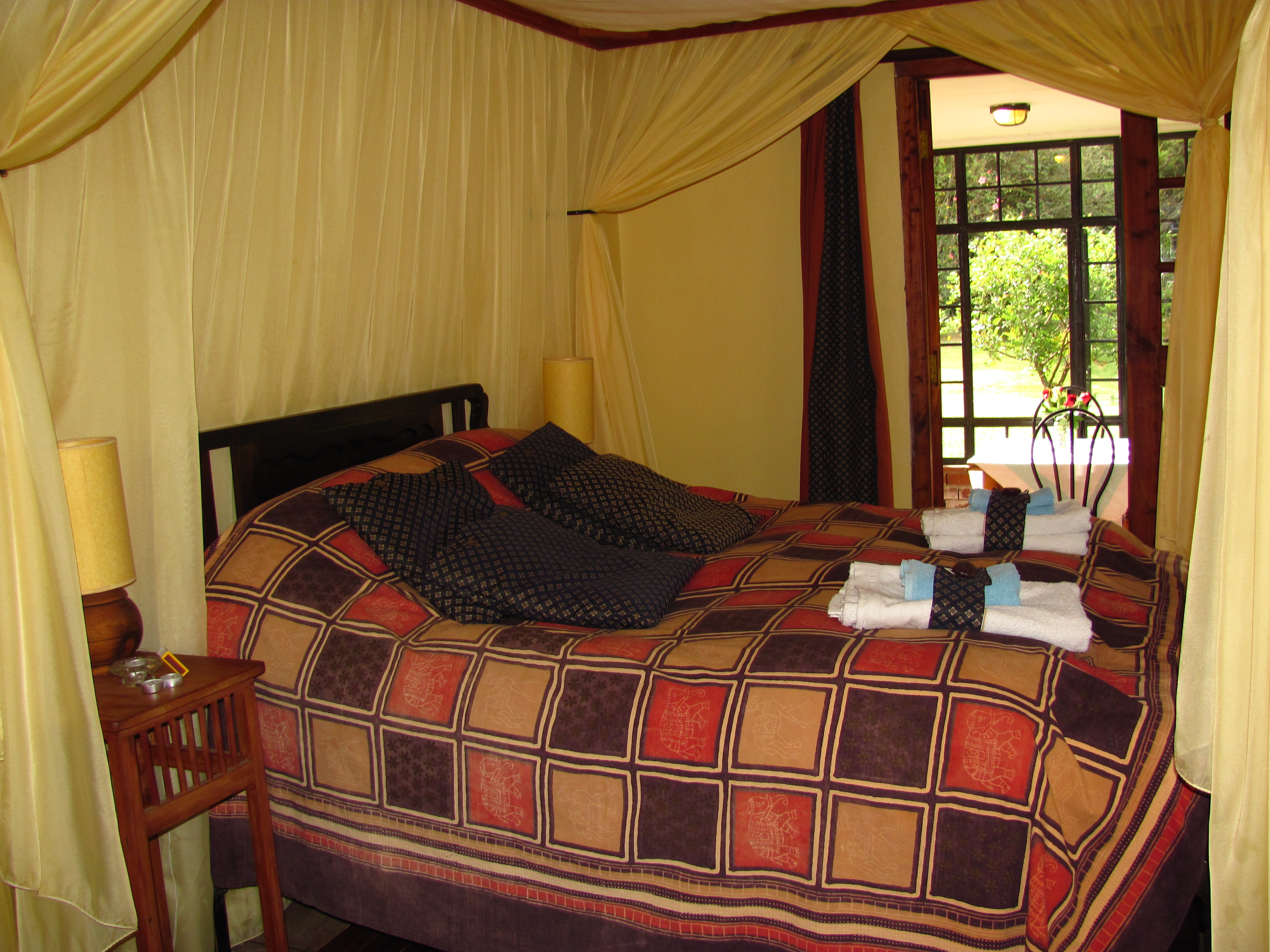
Yet I found the greatest highlight inside. A four-poster canopy bed so we could sleep on an actual mattress, and even together, after many nights on twin cots. The blue ceramic tiled tub with hot artesian well water, with a real toilet by its side had my heart sing. After so many days without a bath and using many varieties of slits in the ground as toilets; I felt as if I’d arrived in Nirvana. Isn’t it amazing how the simple things of life which we may take for granted suddenly become so important? Who knew that being clean can be considered a luxury. Nearly two months after this trip I’m still in awe of real toilets and running water.

 I got out of the tub eager to put on my one feminine outfit. We were going to ‘dress’ for dinner. I’d noticed most of my dreams were about my women friends. I found myself craving femininity. All of the guides were males from more male-dominated cultures; the testosterone seemed overwhelming at times. Yet this experience helped me to appreciate my women friendship connections even more. 

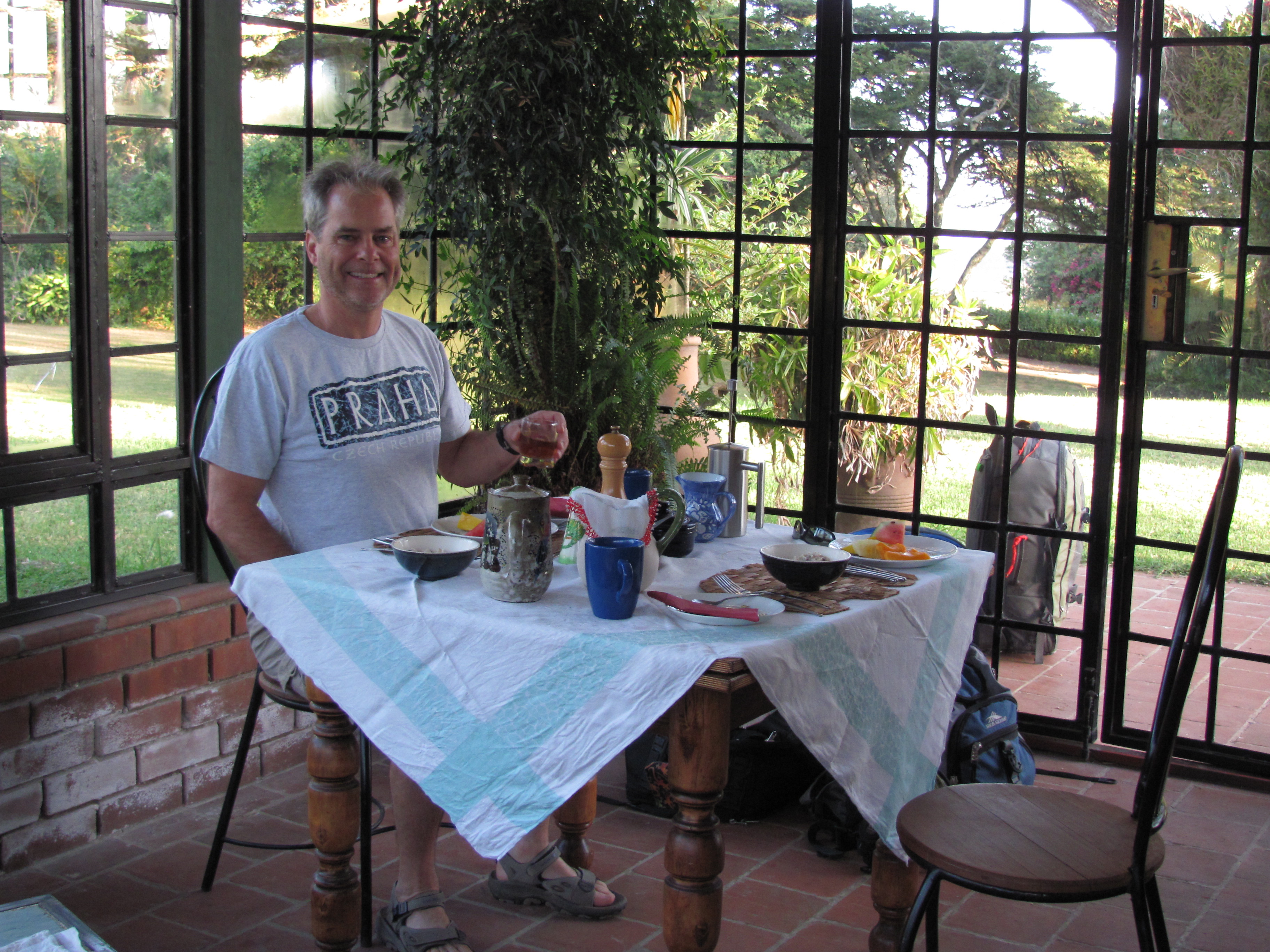
Then I heard rattling and moving of chairs on our enclosed patio. Jim was dressing near me so I knew it wasn’t him. We peeked through the curtains and saw a man fiddling with our table. Jim walked out and discovered we were being served dinner in our room which would turn out to be several courses by candlelight with fresh red roses. The pearly gates had assuredly opened. What a delight! 

We were surprised again at 6:30 am by a young woman who knocked at the door to take away our former dishes. She brought in fresh assorted tropical fruit, oatmeal and other cereals, tea and coffee and then asked, “How would you like your eggs?” 

Next came omelettes with stewed tomatoes, bacon and toasted homemade bread with gooseberry jam. The owner, Brian, checked on us and we found out that this had been his grandmother’s estate which had gone into disarray. He’d grown up on this dairy farm and inherited the place a couple years prior completely updating it to its current grandeur.

 7:30 a.m. came all too early for us. Time to pack up the Land Cruiser and head off again toward more camping adventures. We gathered up all of our clothes which we had washed in Woolite in the tub, still soaked of course. We’d hang them up at our next destination, a protocol we created so we could at least wear clean clothes.

 We gave a last pat to the dogs and shook Brian’s hand. As we drove off toward our next destination, the Masai Mara Reserve, I took in one more deep quenching breathe of this immensely beautiful and relaxing respite. It is so vital to our well-being to take some time for rest. It is like the space between the musical notes for the musician which creates harmony; the time between lifts for the gym warrior that evolves strength; and the pause in between breathes as our hearts beat.

 **If you would like to read the prior essays on our African adventures; please scroll down.


Kenya Part 3: Lake Bogoria – the home of the Pink Flamingos

 The police standing on the side of the road waved us over. Since the Land Cruiser was registered in Tanzania, it provoked suspicion. He asked Salim, our driver/guide to hand over the registration and insurance which he promptly provided 

Then he walked around our vehicle and leaned into where I sat writing in my journal. “What are you writing?” he asked with a firm grip on his baton. He started reading it out loud. “What are you saying about our country?” he asked in a loud voice.

 He’d read an excerpt about our visit to the orphanage in the middle of the world’s largest slum, Kibera. “Sir, I am writing about our experiences bringing many gifts to the Siloam orphanage in Kibera. This is my journal. No one will read this.” He nodded and motioned us on. I began to breathe again.

 We drove by endless shanty towns like facades of movie sets, one stand after another with vegetables, honey, and fruit. People held up their wares at the road side, large watermelons nearly touched our windows, and wherever we stopped the locals would swarm around us with their items pleading, “Have a free look. It is free.”

 People cover the sides of roads, there are few vehicles. Not many can afford to buy cars or even bicycles, meager existence is common place. Some women have wood, charcoal or buckets of water on their backs or heads. Yet again, we pass large families holding hands; everywhere people are talking, laughing, engaged with one another; children are surrounded by care providers; there is no poverty here, no lack for love or connection. 

Suddenly Salim swerved sharply to the left off the road and parked in a grassy area. Christopher, our cook, said, “It is time for lunch.” 

They placed a Maasai blanket on the ground along with a pot of avocados, potatoes, tomatoes, and a dressing, a delicious African salad. We’d pulled up next to a run down building which turned out to be someone’s home. The owner came out to greet us in a tattered t-shirt, shook all of our hands and welcomed us to his homestead. Salim gave him a loaf of bread and some cheese which he accepted with a big smile revealing stained, chipped teeth, jutting in various directions. I’d become accustomed to these smiles by this time, and imagined most people spent money on sheer survival. I’d never thought dentistry to be an excess yet in this land it is. Africa continued to shift my perspective and lend me new appreciation for my every day life.

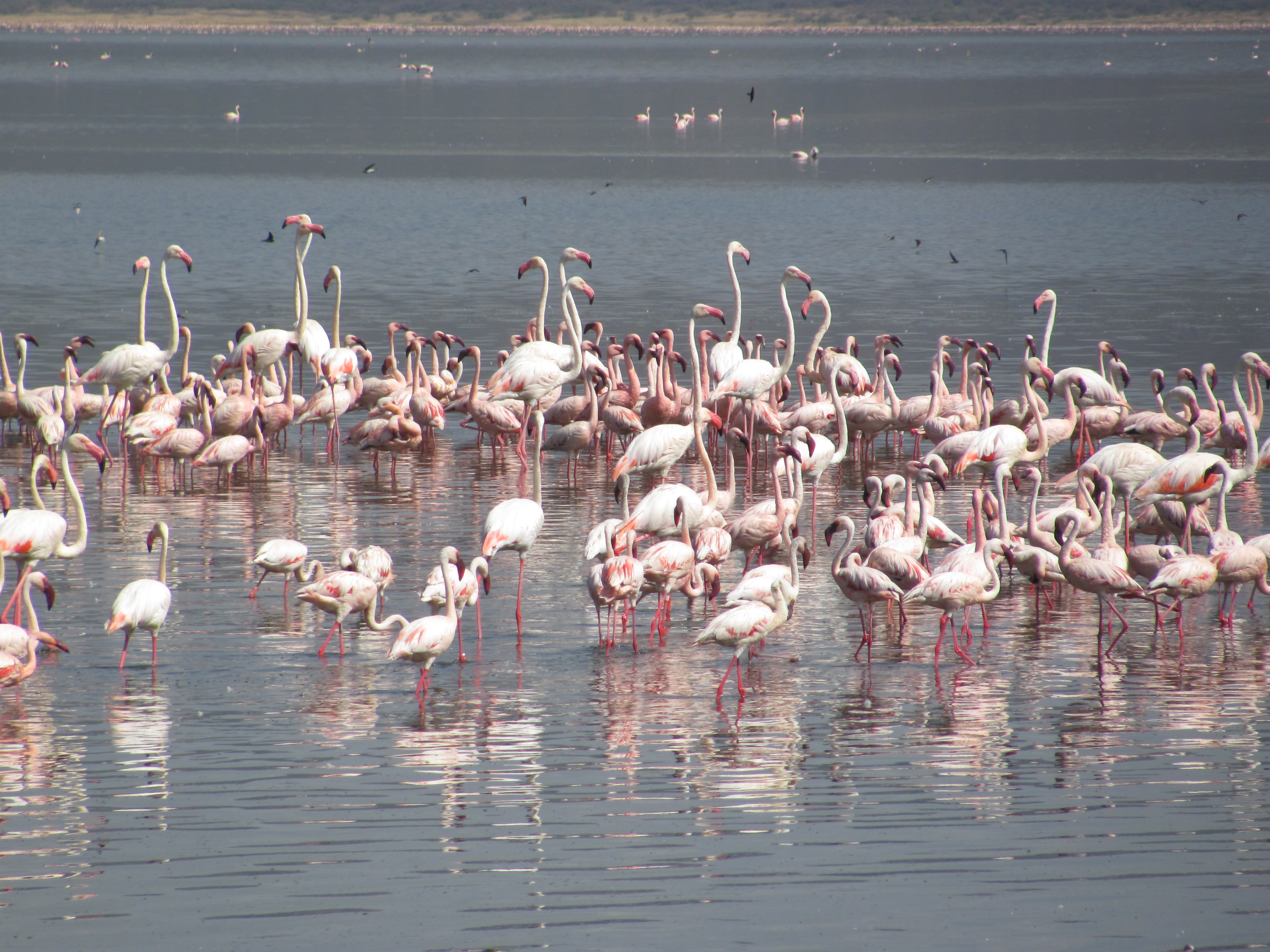
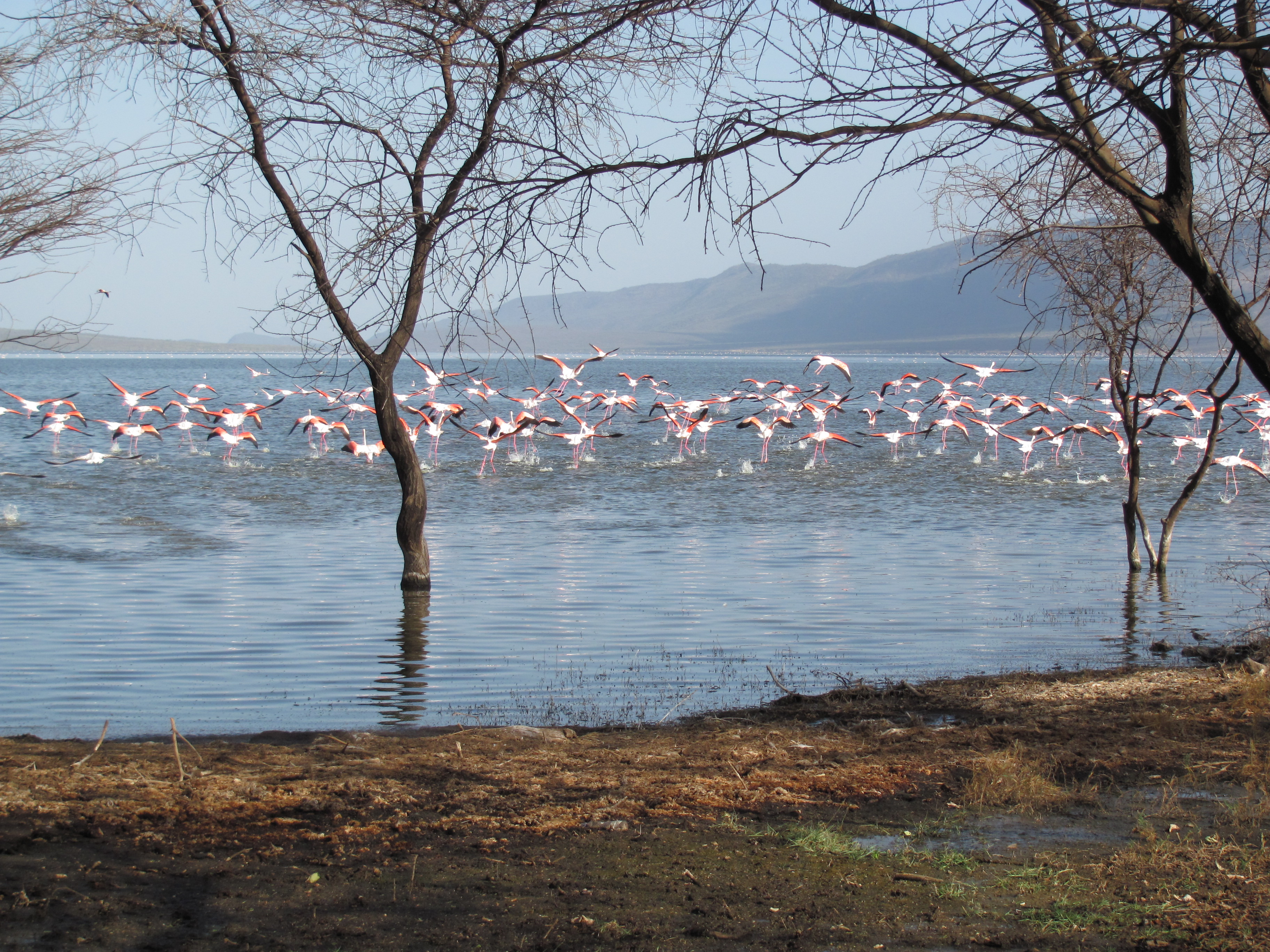
 We soon arrived at Lake Bogoria, a 600 mile section of the Rift Valley, created by seismic activity. The lake in front of us appeared pink. Flamingos covered it entirely, some on stilts cruising around, and others upside down paddling for plankton, their food of choice. Salim, our guide, told us they stay here until all the food sources are depleted, and then they fly to Lake Natron to have their babies. 

Pink flamingos have an internal compass and can find their way at night via the stars and during the daytime via the moon. I admired their ability to always stay on course – to know where they are going at all times.

 We drove approximately 15 miles on rocky steep climbs along mountain hillsides as baboons, dic dics, gazelles, and wart hog families crossed in front of our Land Cruiser. Again, the potholes abounded, and Salim skillfully weaved our vehicle in and out of them.

 At dusk we set up camp as small flies buzzed around us. During dinner we talked mostly about corrupt politicians. Our conversation led to the travesties which occurred in Rwanda and Salim recommended the movie, Some Time in April where they highlight how much the radio announcements egging people on played in the tragedy.

Right after bed we retired to our tents. I soon heard the sound of a wild animal squealing. It was Jim’s snores so I placed the ear plugs in and a pillow over my head. I later woke up to dead pan silence. Ah, Jim can be quiet, I thought. Then I looked over and saw an empty cot and a missing camera.

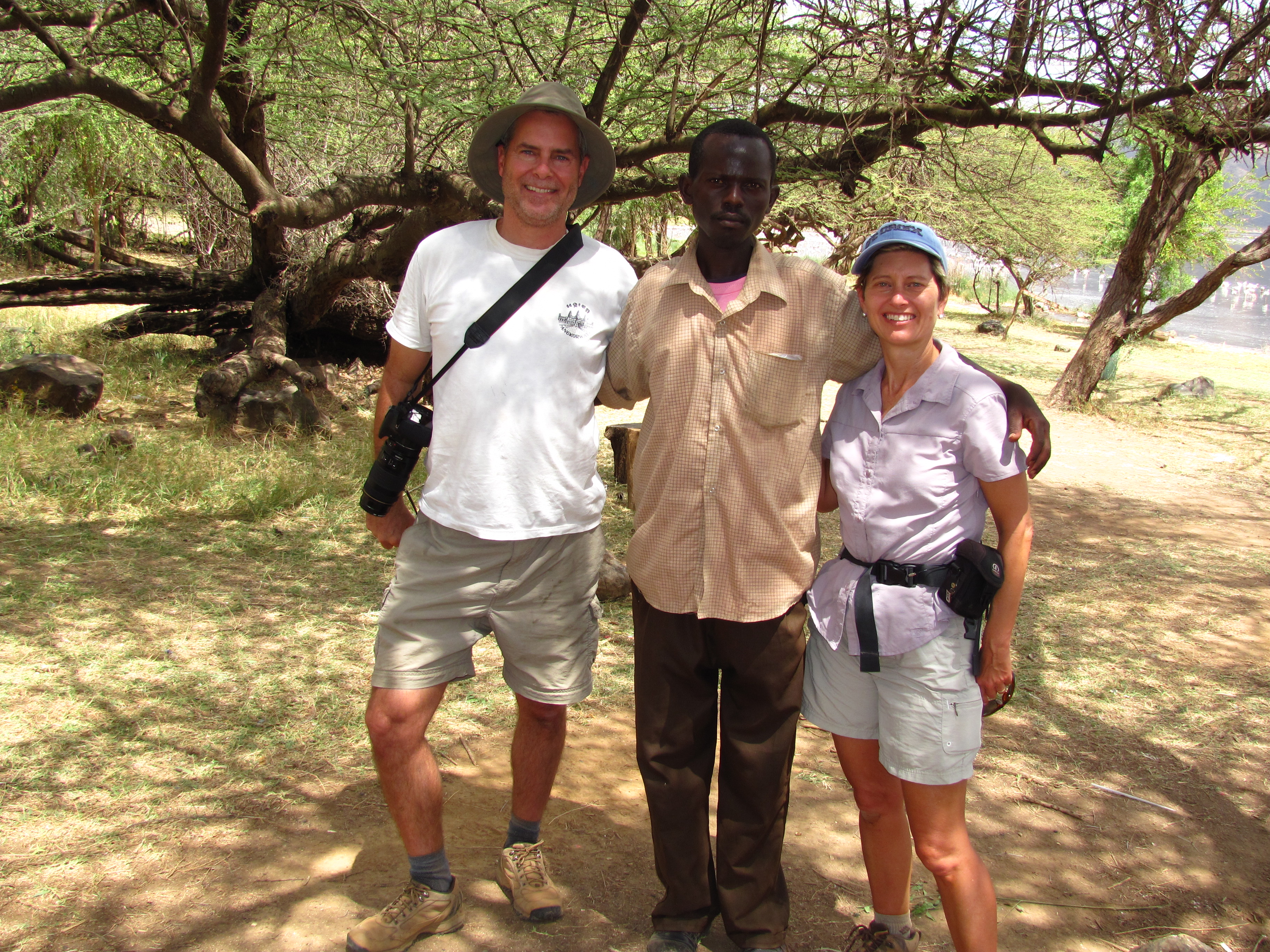
Soon Jim returned and we shared our outdoor breakfast as Winston, our tour guide arrived. He walked briskly toward us to shake our hands in clothes which seemed to swim around him. He later led us on a hike through the bush where I continually watched out for thorns as they seemed to grow on every tree and bit of vegetation in Kenya. He carried his botany and wildlife books with him though often we remain confused, e.g. he said those black bats yet meant black birds, so he continually looked for the photos to show us so we could better understand.

 He told us that the pythons and cobras rest on the rocks so my eyes were wide open. When we ran across a huge family of mongoose, I felt even more alert, as they are snake eaters and looked healthy.

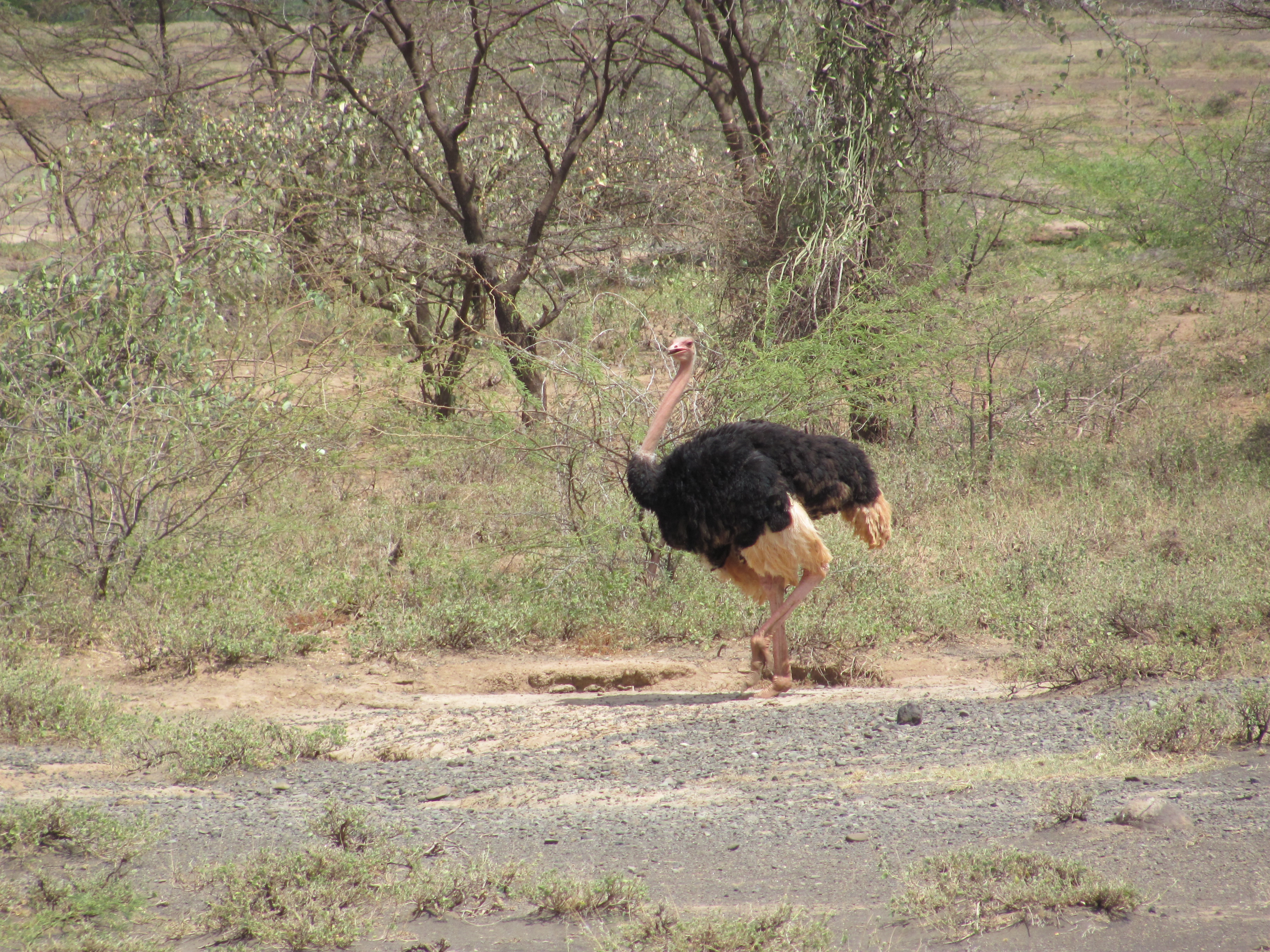
 Again, we saw pink flamingos in abundance. Hundreds of them at a time taking flight is one memorable sight. We walked past geysers and hot springs, one of only a handful of places in the world. Then two ostriches, a black male and a grey female, ran by as if they were competing in a marathon and it was their final stretch. I tried to stalk them yet they were too fast for me. 

We noticed several islands along the lake and were told a man with 5 wives and 29 children lives on one of them. I stretched my perspective around this and found more pliability. “When can I meet them?” I ask


Part 2, Kenya, Lake Naivasha/Crescent Island

 After our day at the orphanage in the world’s largest slum, Kibera,we climbed into the back of a Land Cruiser with raised seats and no seat belts. Salim, our driver/guide sat up front to the right as they drive on the opposite side of the roads here and our cook, Christopher sat to the left.

 My body felt as if I had no brain attached. I wondered if I could formulate any thoughts or complete sentences due to lack of sleep for days, and the shock wave running through me after our experiences in the slum. I started to doze off and then my back slammed into the seat. After we left Nairobi, there were no real roads. Dirt, mud, potholes, crevices prevailed, and our vehicle with its deft driver somehow got through it all. I’m not sure if our bodies did though.

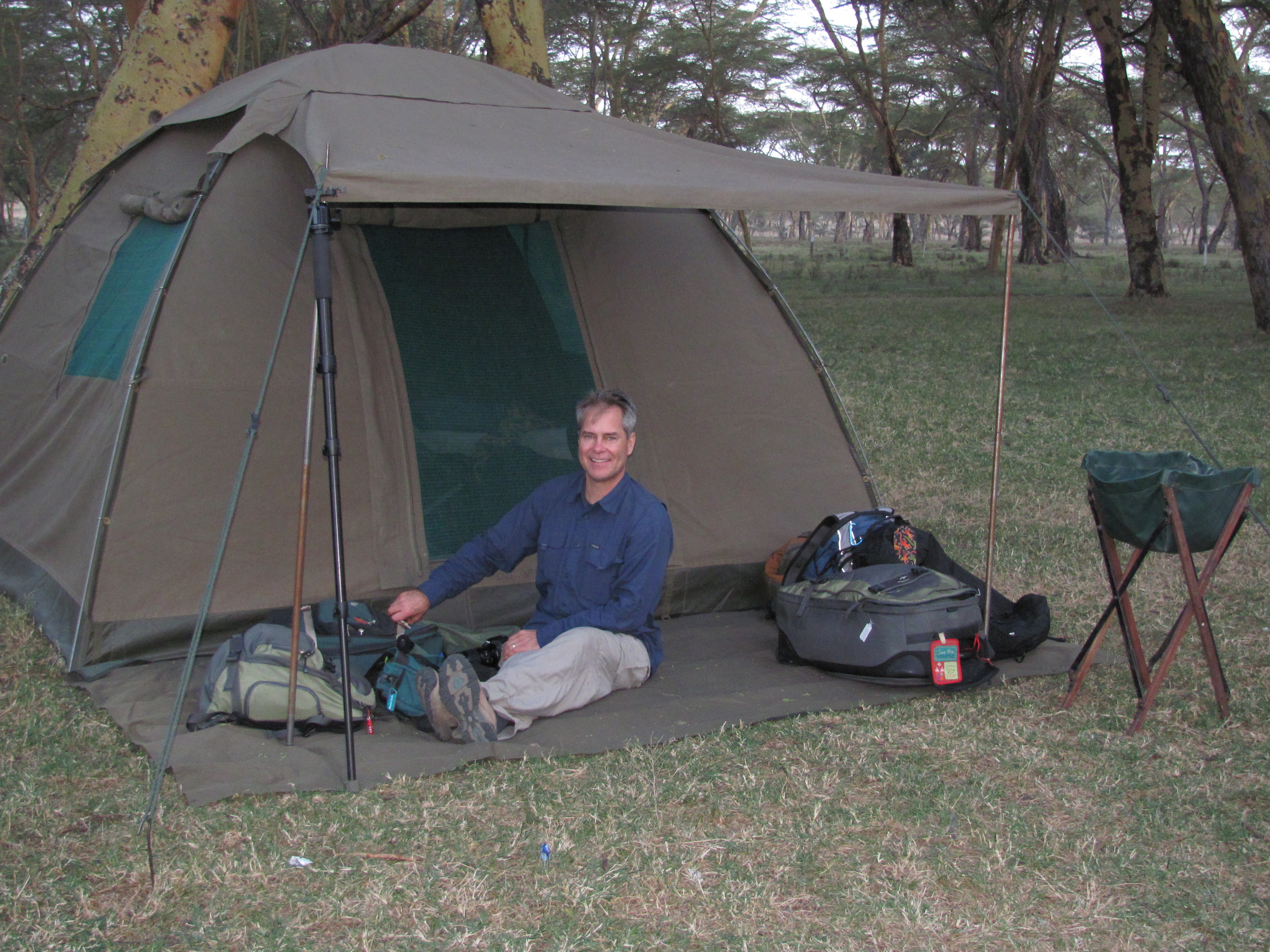
 Hours later, feeling like a pureed milkshake, we arrived at our first destination, Lake Naivasha and Crescent Island. Salim and Christopher set up our tents with cots inside, a bed table, and some fuzzy lantern. Such a treat to have someone else rig this up for us. Though we weren’t going to have much romance, or even snuggling, with cots barely large enough for one to sleep on. 

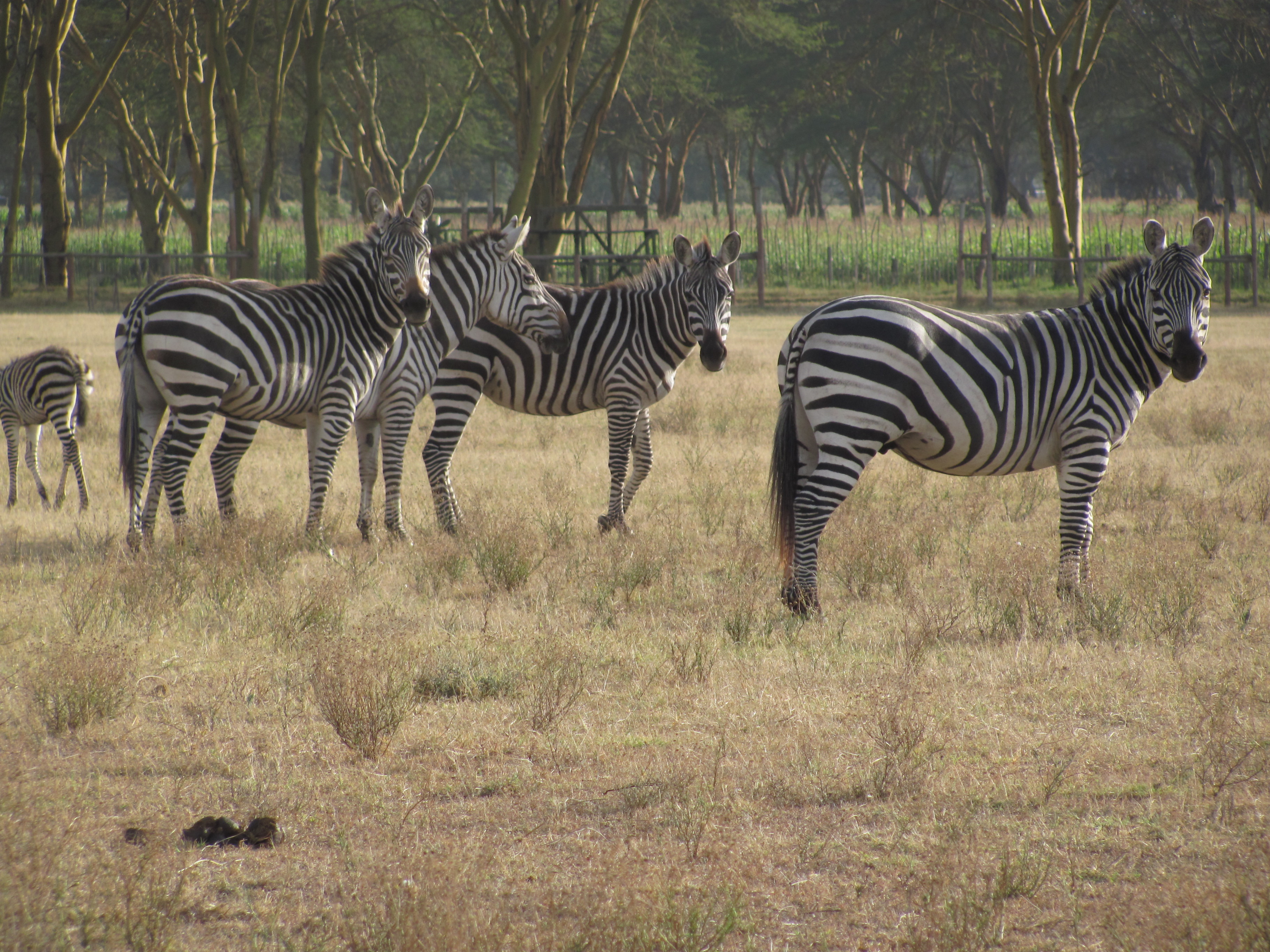
Walking around the grounds of this private reserve, we saw zebras grazing, giraffes’ necks at the tops of trees, impalas, and gazelles. Then a water buck leaped over the fence into our area knocking it down. I ran over to Salim, “Hey are the animals going to charge at us? Is it really safe to walk around here?” I asked.

 “Hakuna Matata, Suzan.”

 I would hear this Swahili phrase which means ‘no worries’ a lot during the trip, especially since I’m known to get a bit anxious now and then.

 Next I went to the outdoor toilet, or shed, out of desperate need to do so before they set up our ‘bathroom tent’ or rather dug the hole and placed the tent around it. Spider webs were wrapped around this hole in a box, with spiders too, of course. I used a stick to clear the area, sat above them all and did my best squat. Later we learned about cabins in the area with decent common bathrooms which we could use. At this point all the poor spiders had vacated the premises. 

Jim and I took a longer walk into the reserve and saw a herd of wildebeest grazing alongside the zebras and gazelle. With the assortment of Acacia trees shrouding us and the large open fields with wild grass blowing, it seemed I’d landed in a magical fantasyland. I didn’t want this spell to ever end.

 We then heard Christopher’s dinner call and walked back to sit at the outdoor table. He served up a fresh vegetable soup, rice and bananas, and chai (or tea) – a staple item since 2/3 of the world’s tea is cultivated in Kenya and Tanzania. I’m not sure how many dinner portions we had as Christopher continued to pour it into our soup bowls and plates until the very last drop. We surrendered since it all tasted so delicious.

 With full bellies, and weary bodies, we turned in early to our tent. We were in higher altitude so I put on my jacket and beanie cap, sweatshirt and sweatpants and still shivered.

 Then I heard the call for breakfast. How could that be? It seemed we just had dinner. I stayed in my ‘pajamas’ and enjoyed tropical fruit (pineapples, mangos, papaya) and eggs made to order with toast. Both Jim and I started drinking coffee again. Couldn’t help it. From the first smell of it, we were hooked again.

 Later Salim drove us to meet another guide, a ranger, who would walk with us around Crescent Island, housing an abundance of wildlife. We first passed around thatched huts with children playing in front. All of the workers live on the premises including our guide. Then we saw two young giraffes that dashed away. We learned they are very shy when young. Velvet monkeys scampered about while gazelle and wildebeest trampled by. 

From our binoculars we viewed a large herd of buffaloes standing near the water’s edge. Masego, our guide, told us we must keep a very large distance from the buffaloes as they are fierce and dangerous, running many people down every year. He also shared that the wildebeest do mini-migrations from one side of the island to the other. They can be challenged at any time and may lose the battle for being the herd leader. This leader has the privilege of impregnating all the females so this is a coveted role. If they are overtaken they are designated as ‘losers.’ Often ‘losers’ hang out together. We saw a pack of these ‘losers’ pass by us, with their heads pointed down. At least they had each other.

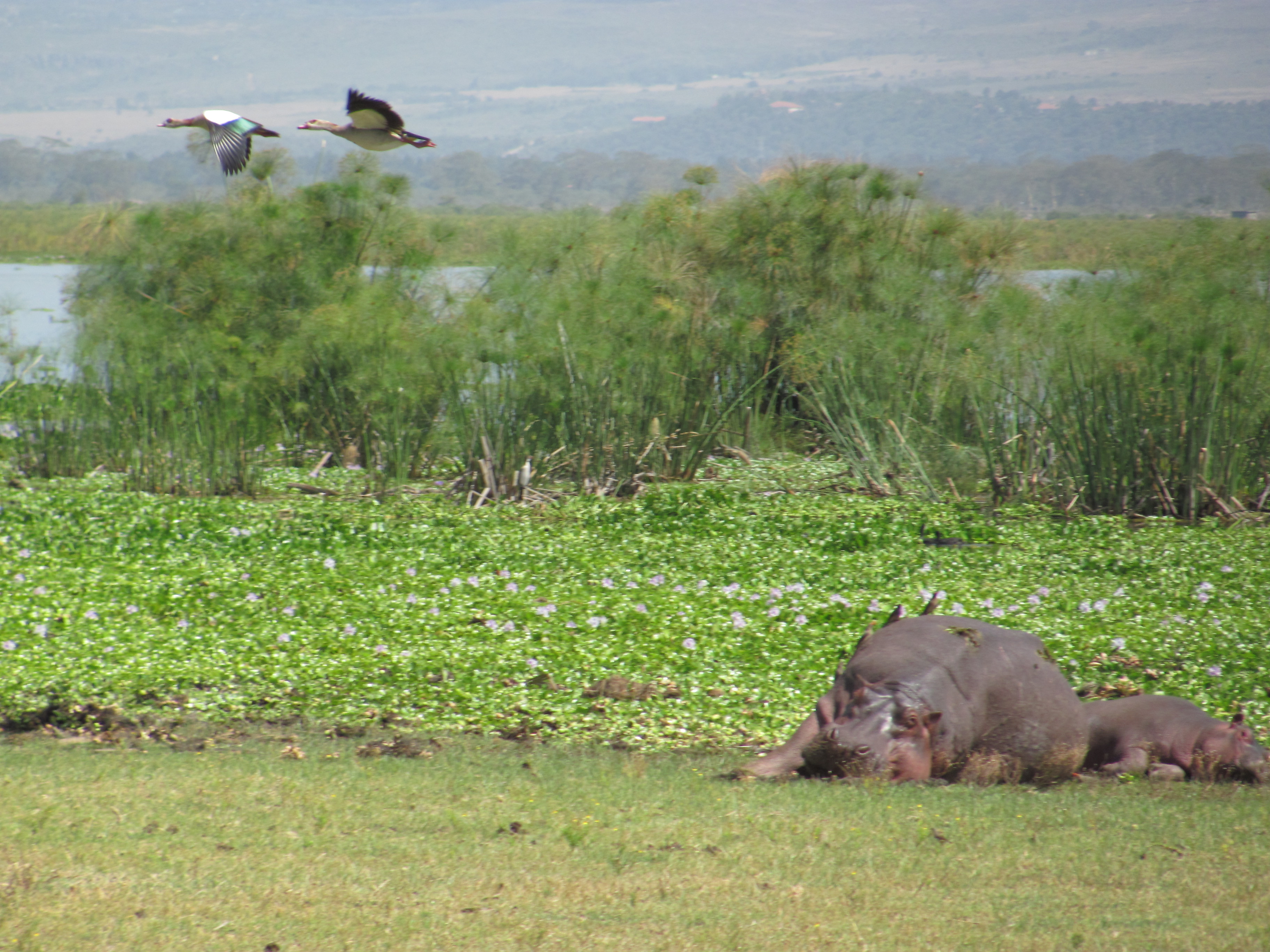
 Then a dic dic jumped out in front of us. These small deer like animals mate for life. When the mate dies, they leave also right afterward. We continued walking closer to the water, on the other side of where the buffaloes roamed, and it felt like a wave from the ocean had slapped my face. There snoozing on the grass was a hippopotamus and her baby. Masego said we could approach them since we were coming from land. If we were to walk toward them from the water’s edge, they would charge at us and kill us most likely. I’d never been so close to thousands of pounds of pure blubber, yet I treasured this sight as if it was the Mona Lisa at the Louvre in Paris.

Intermingling with a myriad of animals in the wild created a bigger opening in my heart. As an annual member of the Zoo and Wild Animal Park here in San Diego for so many years, I didn’t expect such a reaction. Somehow in the wilds of Africa, these animals spoke a language which only my heart and soul understands. I surrendered to the oneness found in nature where all that matters is our connection and support of one another.


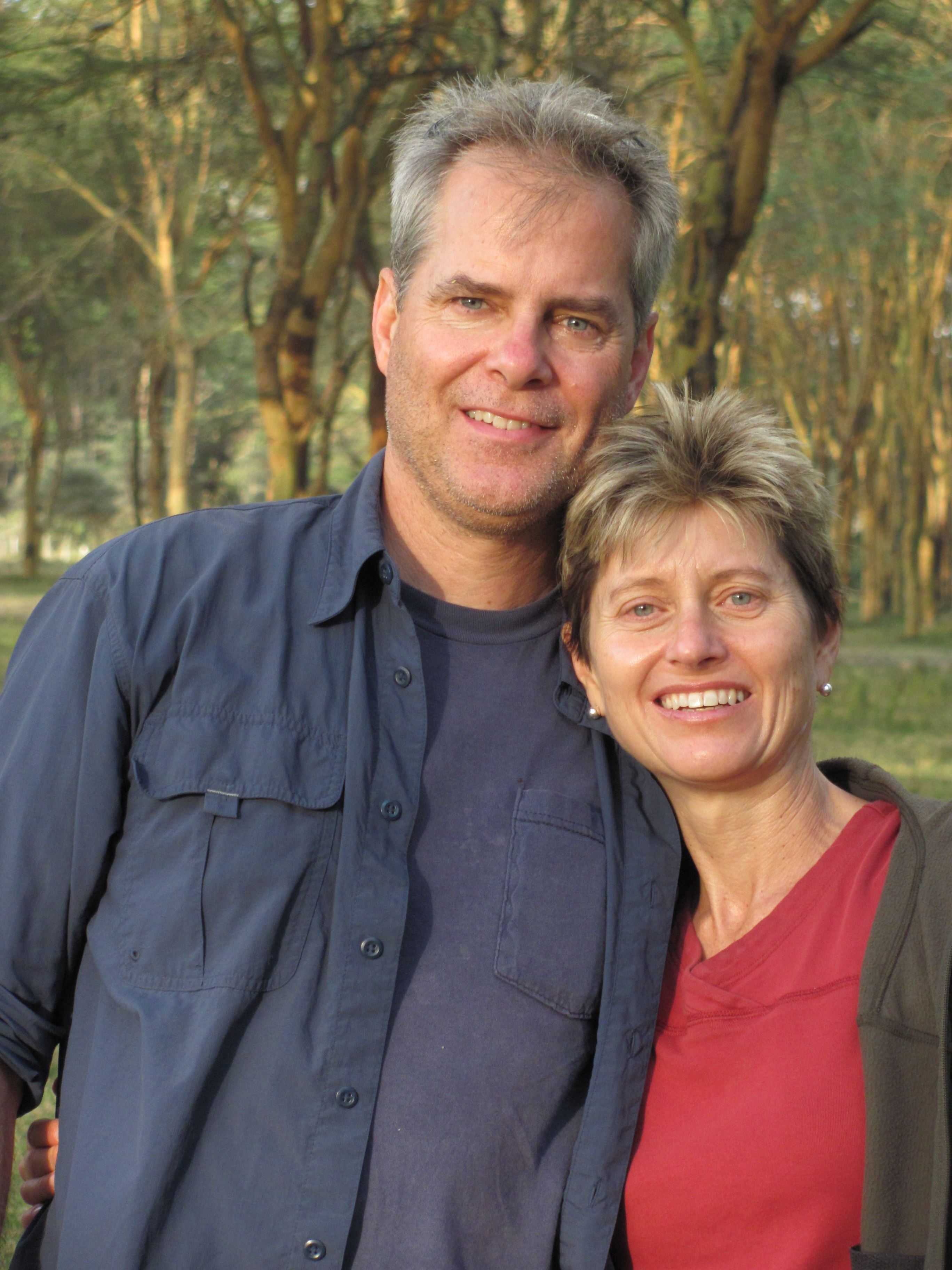
Having recently returned from a profound, life changing journey through Kenya, Tanzania and Egypt; I will share special moments from my journey with you every week. Enjoy!
 

Kenya, Africa, Part 1 


Visiting the Siloam Orphanage in Kybera (Nairobi), The World’s Largest Slum


 We arrived about 6:30 am at the airport in Nairobi, Kenya after an overnight from Cairo, Egypt. While Jim exchanged money, I looked into the crowd and noticed the man in the African Latitude hat with his wide smile and a sign bearing our names. My weary body flooded with relief. The night before we’d arrived in Cairo after two days of flying from San Diego. The person we’d arranged pick up with did not show up. 

Our guide and driver, Evans, greeted us with a loud, ‘Jambo, Welcome to Kenya,’ as he reached for our bags. He drove us to a viewpoint of the city and pointed out some of the historic and government buildings. He then drove us over to meet Stephen Munyolo, the bishop who runs the Siloam Orphanage, who would walk out to accompany us. It would take us 45 minutes to arrive there – trudging through the world’s largest slum.

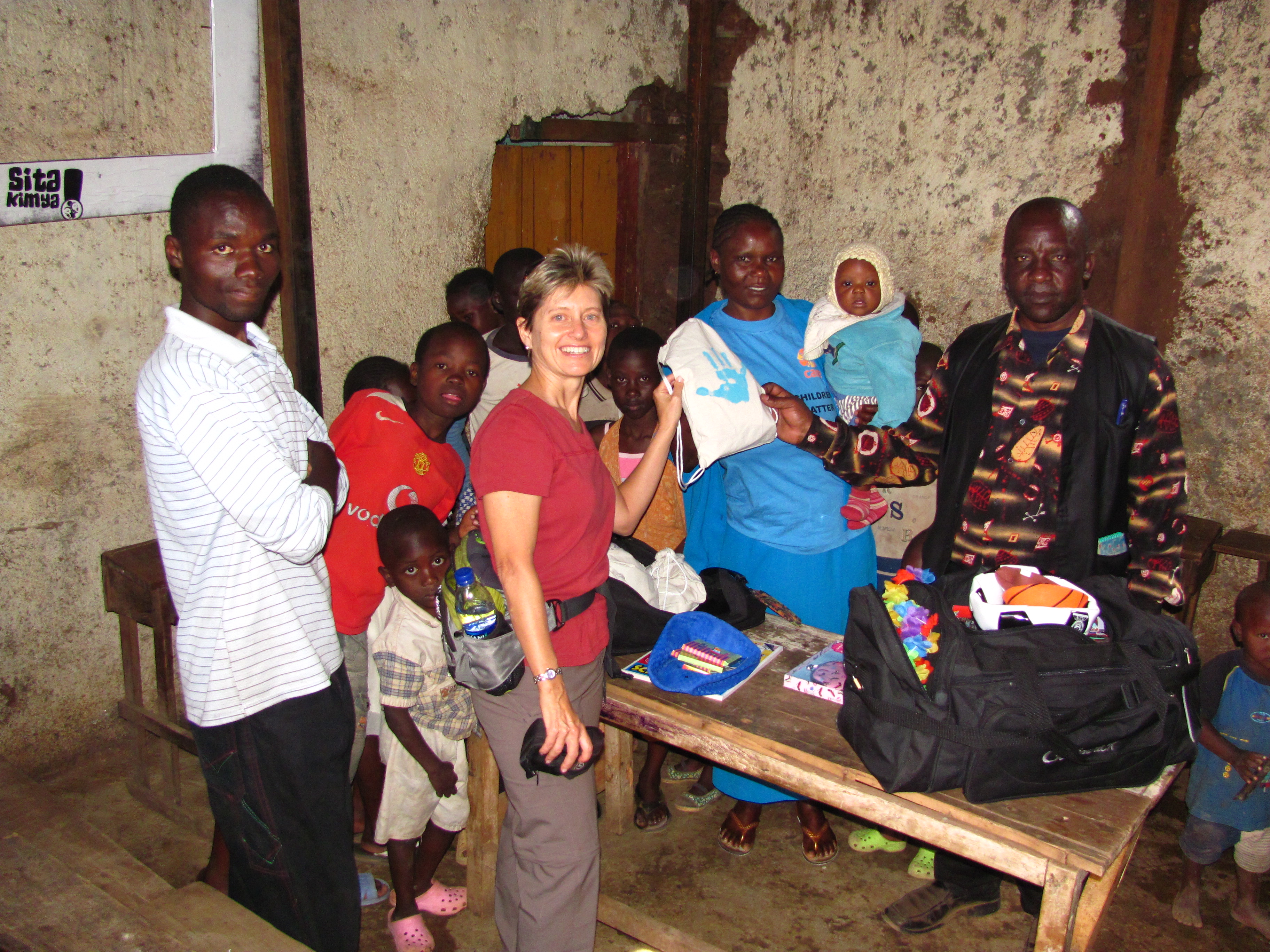
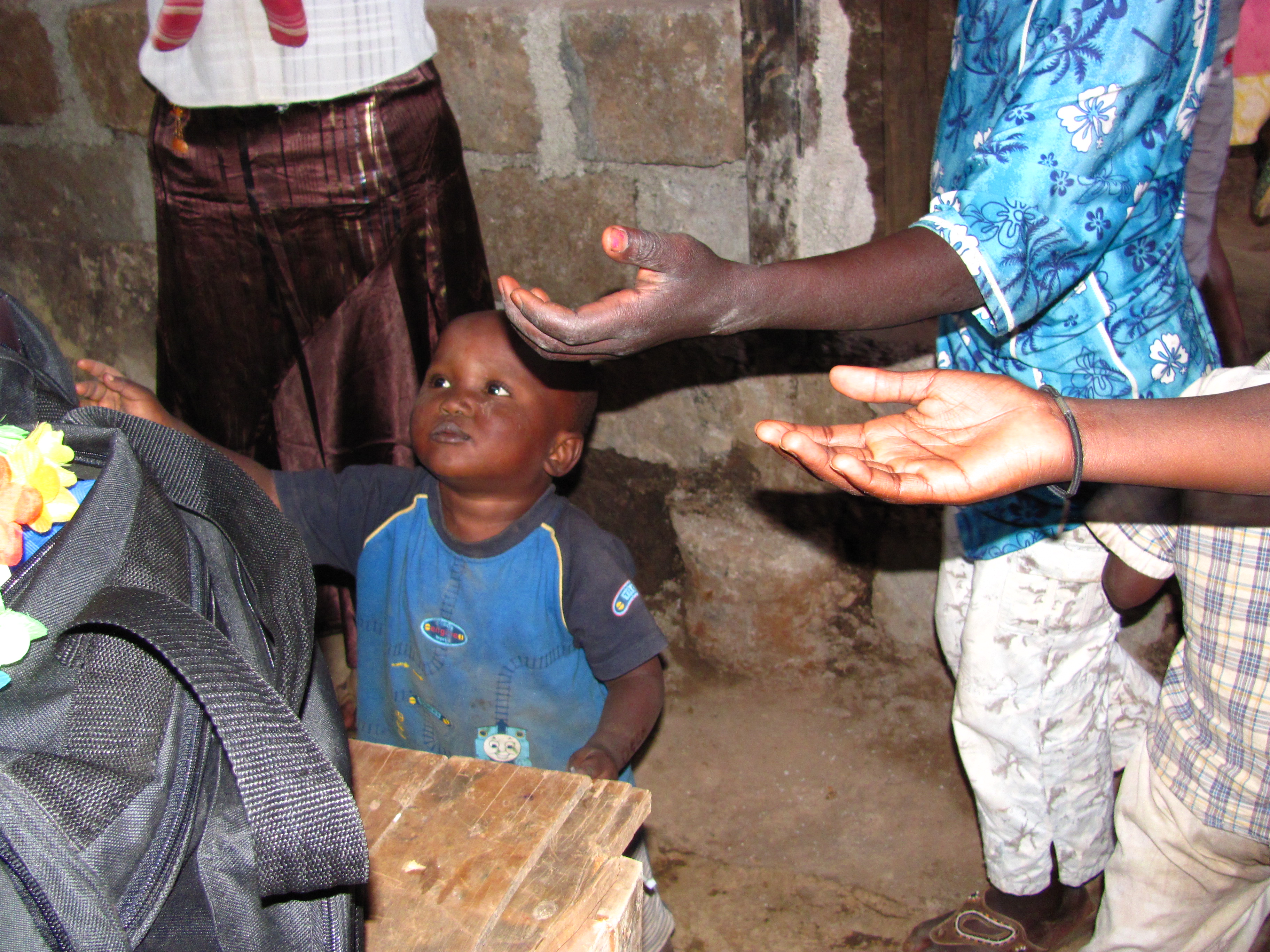
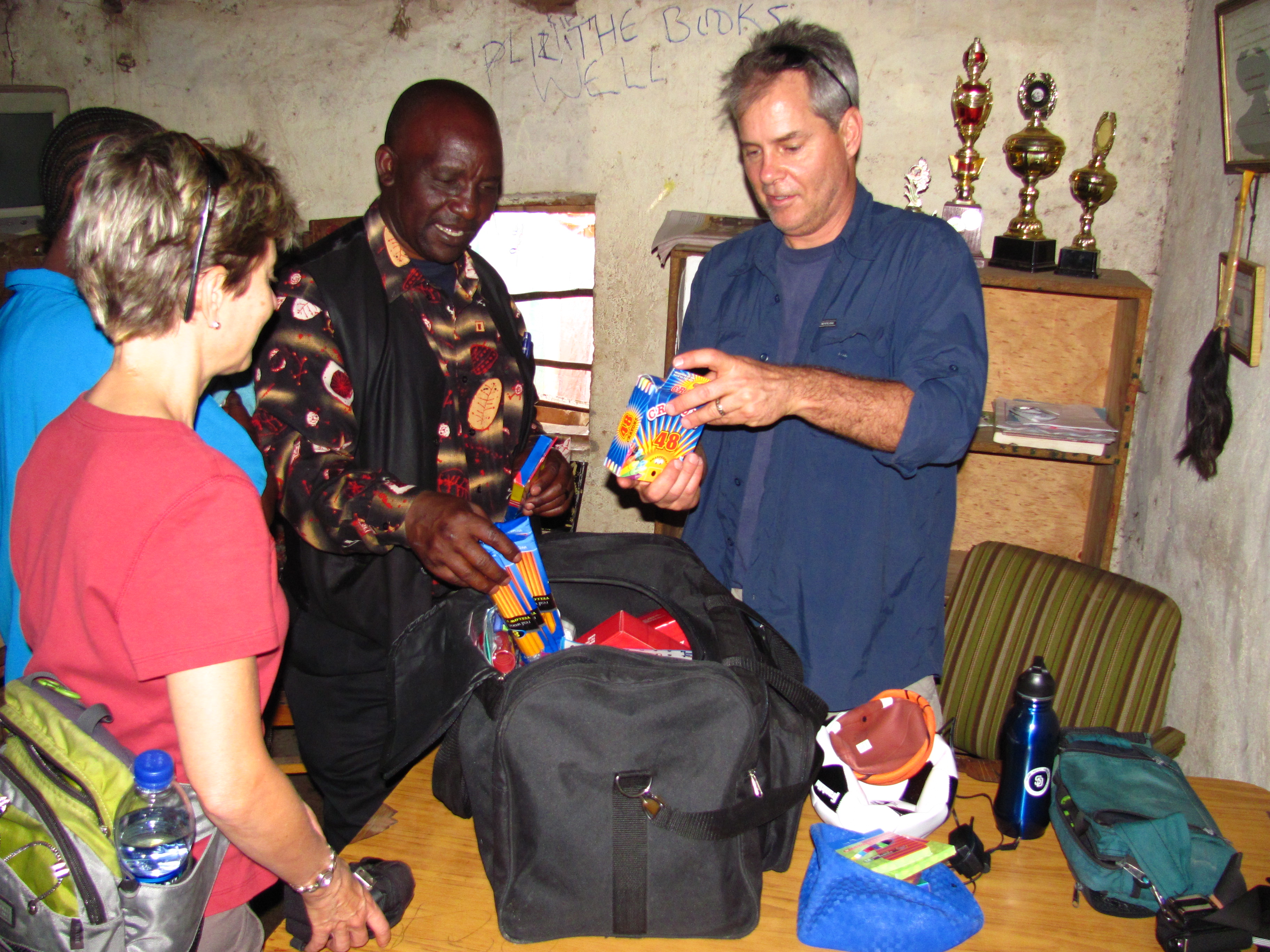
 We brought two large duffel bags packed with gifts for the children at the orphanage (approximately 80 children and youth ranging from about 3 to 18). We had something for everyone. A friend of ours, Donna Pinto, had her children and other members of the Kids for Peace make Peace Packs for us. They are small backpacks with the handprint of each child on them. When they place their hand on the bag they say a prayer or make a wish for the other child who will be receiving it in the remote country. The bags are filled with fun stuff like games, books, and toys and also staple items which the kids need, like toothbrushes and toothpaste. 

Evans pulled over and parked near the slum. Masses of people with various items on their heads and on their backs poured out of the area and past our vehicle. He locked it yet one could look inside and see our luggage (essentially everything we brought with us). It did not have a special hidden compartment. Stephen approached us, a man in about his mid-late 40’s with a big smile and a confident step. He assured us that the car would be safe as he’d have someone watch it for us. Upon leaving I turned around and stared at the luggage for a moment. I pushed myself forward because a larger part of me wanted to either drag our backpacks and suitcases with us or not go in at all. I took a long breathe and moved ahead. After all, it is only ‘stuff’ anyway, right. I could really practice detachment now

We sauntered down a makeshift dirt road which some people drive in on. As far as my eyes could see in every direction were tin roofs. Approximately one million people live in this slum and it has now surpassed the size of the slums in India. The air felt heavy and smelled like sour milk as we tromped on trash the entire way. An open sewer ran next to us as there is no running water. Entire families, often extended families, live in a one room mud hut, with mud floors and tin roofs. Trash is used as insulation along the walls.

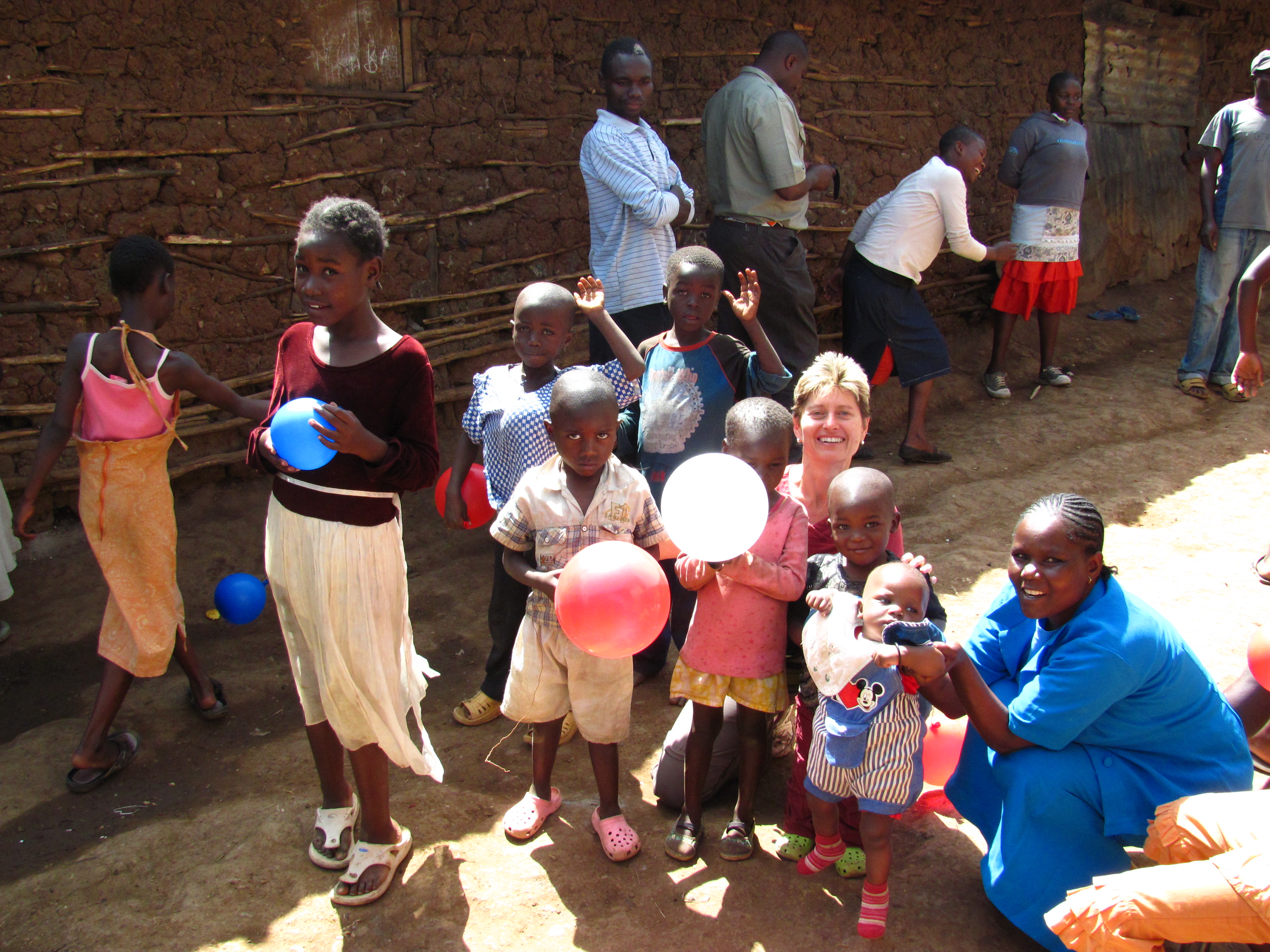
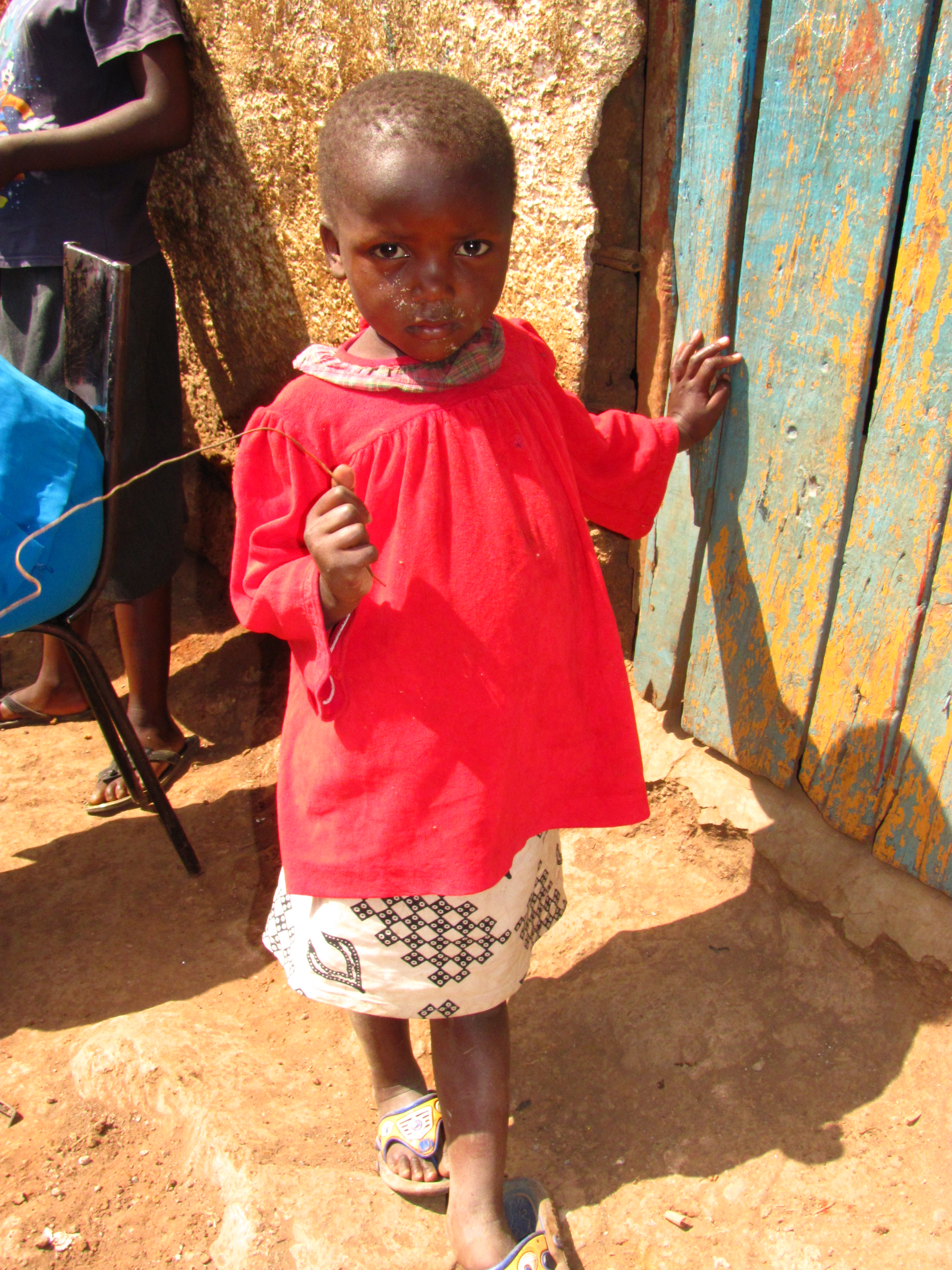
 Yet children were out playing, families were together, and small businesses were lined up all along our route where they often barter with one another for hair cuts, food items, you name it. Children yelled out to us from all directions, ‘How are you’ to show off their bit of English.

 With every step I felt my curiosity expand. I’d tried to prepare mentally for this journey – to imagine what it would be like to be surrounded by dire poverty beyond anything I’d ever witnessed, including my travels to India. Yet after my 1.5 hour walk through areas of sheer destitution, I learned people are people everywhere. Including here. Who am I to judge? The children seemed happy playing with one another. They didn’t have game boxes or even televisions or computers – yet they had one another. The business owners appeared very proud of what they’d established and eager to share their services with all passersby. Families looked out for one another, and the children go to school and have chores to do.

 We arrived at the orphanage by crossing a mud trench. Children and youth greeted us in the narrow alleyway and crowded around us by Stephen’s improvised office. He shared that more than 20 children were out of town due to the holidays with extended family so he didn’t want us to distribute the gifts. He preferred to wait until the kids were back and school had resumed. I felt my heart sink. I’d envisioned all of the fun we’d have passing out the gifts to the children. Then I surrendered and practiced acceptance (I’d have many opportunities to do this as the trip ensued). Handing out the gifts to see their gratification would satisfy me yet what mattered the most was that all the kids could do this together.

 Stephen and his wife, Esther, manage a school for K-12 which the orphans and hundreds of kids from the slum attend. They have a high success rate for graduates going on to make a difference in their community. We met one young man who had become a teacher and returned to work with Stephen and the other kids.

 We also gave them a digital camera (their first one) and an electronic frame which can hold hundreds of photos. The orphanage is one of the rare places in the slum with electricity and a computer. Children kept jumping around behind us to see what we had in our bags. Stephen allowed us to give them balloons, and soccer balls. Kids of all ages blew up the balloons and tossed them back and forth giggling. The older ones grabbed the soccer balls and ran off to play a game in the alley. We heard lots of yelps and squeals as the balls bounced off the narrow walls. Although we don’t speak Swahili, their engaging smiles and laughter made it very easy to communicate.

 My heart felt full yet also longed to take a number of these children home with me. Their hugs which covered me with dust and dirt were priceless. I’ll never forget them.

 We then returned to where we parked after another 45 minute jaunt, and I realized I hadn’t even thought about the luggage. I’d been so engaged talking with Stephen and one of the teachers on the way back, there wasn’t room for any gnawing, negative thoughts to creep in. We walked up to the car and there it all was – just as we had been promised.    

For more information and if you’d like to help the orphanage (they rely solely on private contributions): http://africanlatitude.com/siloam/?page=siloam


« Newer Posts - Older Posts »

Categories